
Street Style and Gen Z Fashion: How Urban Culture Shapes Modern Outfits

Street Style and Gen Z Fashion: How Urban Culture Shapes Modern Outfits

      Comments Off on Street Style and Gen Z Fashion: How Urban Culture Shapes Modern Outfits

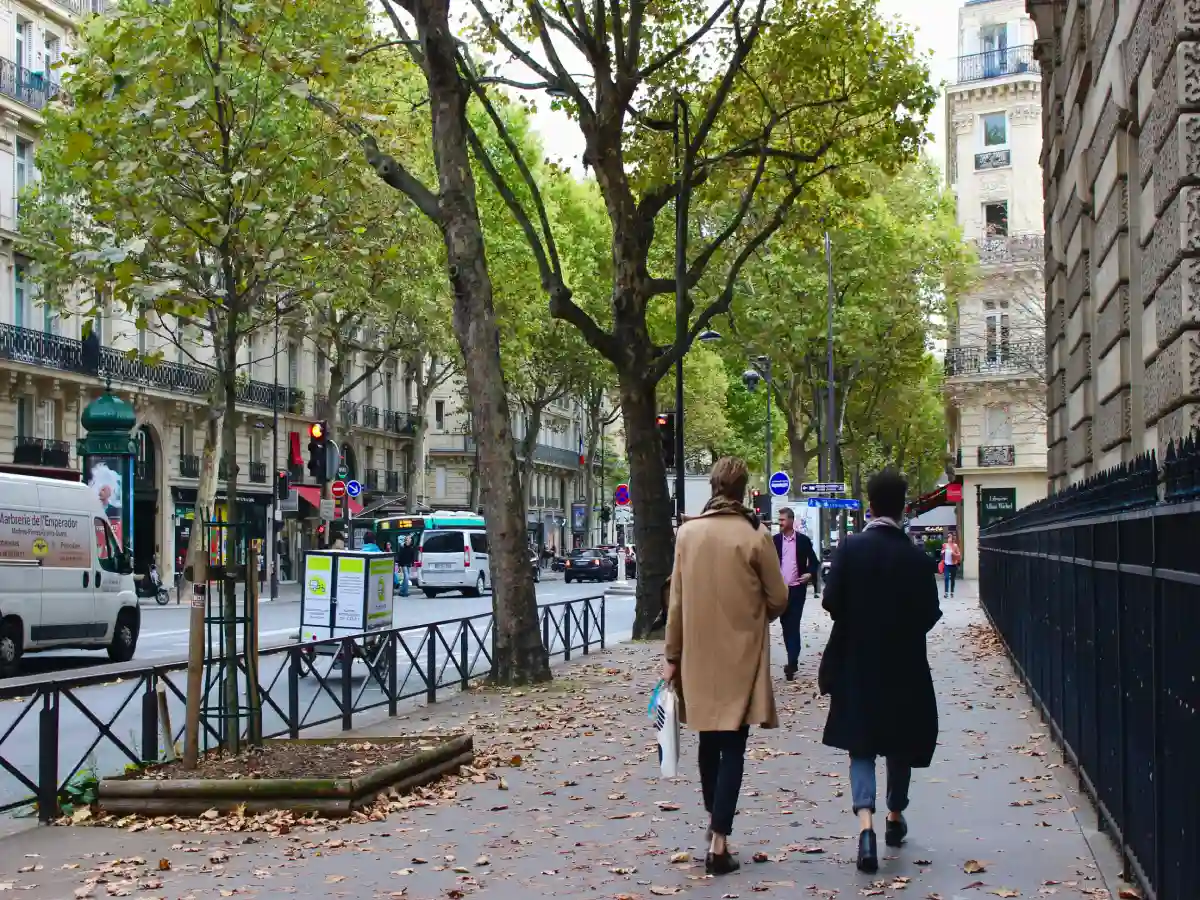
Street style has become one of the most influential forces shaping Gen Z fashion in the United States and around the world. Unlike traditional fashion systems driven by designers, seasonal collections, or luxury brands, street style emerges organically from everyday environments. It reflects how people dress in real life, influenced by urban culture, social context, and personal identity rather than formal fashion rules.

For Generation Z, street style is not a subcategory of fashion but a primary reference point. Gen Z outfits are often built around comfort, individuality, and cultural relevance, making street style a central component of how this generation defines and communicates style. Understanding street style gen z fashion therefore requires examining urban spaces, digital platforms, and cultural movements together rather than isolating clothing trends alone.

What Is Street Style in the Context of Gen Z Fashion?

Street style traditionally refers to clothing choices observed in public spaces rather than curated fashion environments. For Gen Z, the meaning of street style has expanded beyond physical streets to include digital spaces where everyday outfits are shared and reinterpreted.

Street Style as Everyday Fashion Expression

In Gen Z fashion, street style represents how people actually dress for school, work, social activities, and daily routines. These outfits are practical, adaptable, and often layered to suit different environments. Gen z outfits seen in street settings typically combine casual basics with expressive elements such as accessories, graphics, or distinctive silhouettes.

How Gen Z Redefines Traditional Streetwear

Earlier streetwear movements were often linked to specific subcultures such as skateboarding or hip-hop. Gen Z street style builds on these foundations but does not limit itself to one cultural reference. Instead, it blends influences freely, allowing individuals to construct unique looks that reflect both personal taste and shared cultural cues.

Physical Streets and Digital Streets

For Generation Z, street style exists simultaneously offline and online. Urban neighborhoods, campuses, and public transit remain sources of inspiration, but social media platforms extend street style visibility globally. This dual environment allows trends to form quickly while remaining grounded in real-world usage.

Why Street Style Plays a Central Role in Gen Z Fashion

Street style resonates with Gen Z because it aligns closely with their values, lifestyles, and social behaviors.

Comfort and Practicality as Style Priorities

Comfort is a defining factor in gen z fashion. Street style outfits often include relaxed fits, soft fabrics, and functional layers that accommodate long days and diverse activities. This practicality does not reduce style value; instead, it enhances authenticity.

Individuality Over Uniform Trends

Rather than following a single dominant trend, Gen Z favors personal variation. Street style gen z fashion encourages experimentation, allowing individuals to reinterpret shared ideas rather than replicate identical looks. This supports a culture where originality is valued over conformity.

Cultural Relevance and Accessibility

Street style is accessible. It does not require exclusive access to luxury brands or high-cost items. Thrifted clothing, affordable basics, and repurposed garments all play a role in gen z outfits, making street style inclusive across economic backgrounds.

Urban Culture as the Foundation of Gen Z Street Style

Urban environments influence Gen Z fashion through music, art, social interaction, and public space design.

Cities as Cultural Intersections

Major cities serve as cultural intersections where diverse communities coexist. These environments expose Gen Z to a wide range of visual styles and social influences. Urban street style reflects this diversity through mixed aesthetics, layered looks, and hybrid clothing choices.

Public Spaces and Visual Inspiration

Public transportation, cafes, campuses, and community spaces all contribute to how street style evolves. Observing others in shared environments allows gen z fashion trends to develop organically through repetition and adaptation.

Regional Variation Within Global Influence

While street style has global reach, regional differences remain significant. Street style gen z fashion in the United States may differ from interpretations seen in Europe or Asia, but shared digital platforms allow cross-pollination of ideas without erasing local identity.

Key Elements of Gen Z Street Style Outfits

Although Gen Z street style resists rigid definitions, certain elements appear consistently across outfits.

Relaxed Silhouettes and Layering

Oversized tops, loose trousers, hoodies, and jackets are common in gen z outfits. Layering allows flexibility and self-expression while supporting comfort and functionality.

Casual Footwear and Practical Accessories

Sneakers, casual boots, and everyday bags dominate street style footwear choices. Accessories such as hats, backpacks, and simple jewelry add individuality without overwhelming the outfit.

Mixing Old and New Clothing

Street style gen z fashion often blends vintage items with modern basics. This mix supports sustainability while creating visual contrast that distinguishes individual outfits.

The Influence of Music and Subcultures on Street Style

Music remains a powerful influence on Gen Z street fashion, shaping aesthetics and attitudes.

Hip-Hop, Rap, and Streetwear Foundations

Hip-hop culture continues to influence street style through relaxed fits, graphic elements, and bold accessories. These influences are adapted rather than copied, allowing Gen Z to reinterpret established aesthetics.

Alternative, Indie, and Electronic Influences

Beyond mainstream genres, alternative and indie music scenes influence gen z outfits through minimalist layers, neutral tones, and understated accessories. These styles coexist alongside more expressive looks.

Subcultures Without Rigid Boundaries

Gen Z often draws inspiration from multiple subcultures simultaneously. This fluidity allows street style to evolve without being confined to specific labels or movements.

Social Media and the Globalization of Gen Z Street Style

Digital platforms play a critical role in how street style spreads and evolves.

From Local Streets to Global Visibility

Social media enables local street style to reach global audiences instantly. An outfit worn in one city can influence gen z fashion worldwide within hours.

Peer Influence Over Traditional Authority

Rather than following designers or celebrities exclusively, Gen Z often looks to peers and community creators for inspiration. This peer-driven influence reinforces authenticity and relatability.

Trend Formation and Short Life Cycles

Street style trends can emerge quickly through repeated exposure online. However, Gen Z also moves on rapidly, favoring continuous experimentation over long-term adherence to specific looks.

Street Style, Sustainability, and Conscious Fashion

Street style gen z fashion aligns closely with sustainable values.

Thrift Culture and Second-Hand Clothing

Second-hand shopping is normalized within Gen Z street style. Thrifted items contribute to unique outfits while reducing environmental impact.

Rewearing and Restyling Clothing

Street style encourages creative reuse. Rewearing items in different combinations supports sustainability and personal expression simultaneously.

Ethical Awareness in Urban Fashion Choices

Many Gen Z consumers consider brand ethics and production practices when selecting clothing, especially within street style contexts where authenticity matters.

How Gen Z Builds Street Style Outfits in Everyday Life

Street style outfits are shaped by routine, environment, and personal priorities.

Adapting Outfits to Daily Activities

Gen z outfits are designed to transition between settings such as school, work, and social gatherings. Versatility is a key consideration in street style choices.

Balancing Trends With Personal Comfort

While Gen Z remains aware of trends, comfort often determines final outfit decisions. Street style allows trends to be interpreted in ways that suit individual needs.

Using Clothing to Signal Belonging and Identity

Street style functions as a social signal, communicating interests, values, or community affiliations without explicit statements.

The Impact of Gen Z Street Style on the Fashion Industry

Street style influences how brands design, market, and distribute clothing.

From Runways to Real Life Inspiration

Fashion brands increasingly observe street style to understand consumer preferences. Gen Z street fashion often informs product development more than traditional runway trends.

Rise of Community-Driven Fashion Labels

Smaller brands and independent designers benefit from street style exposure through digital platforms. This shifts influence away from centralized fashion authorities.

Long-Term Shifts Toward Casualization

Street style gen z fashion contributes to broader industry shifts toward casual, flexible clothing across multiple contexts, including workwear and formal settings.

Street Style as a Reflection of Gen Z Values

Street style is closely linked to Generation Z’s broader worldview.

Authenticity and Self-Expression

Gen Z values authenticity over perfection. Street style reflects real-life usage rather than curated ideals, reinforcing trust and relatability.

Inclusivity and Representation

Street style environments showcase a wide range of body types, identities, and backgrounds, aligning with Gen Z’s emphasis on inclusivity.

Adaptability in a Changing World

Street style reflects adaptability, allowing individuals to adjust their appearance in response to social, economic, and cultural changes.

The Future of Street Style in Gen Z Fashion

Street style is likely to remain central to Gen Z fashion as the generation continues to shape cultural norms.

Continued Blending of Physical and Digital Influence

As digital environments evolve, street style will increasingly reflect both physical experiences and online identity.

Emphasis on Longevity and Flexibility

Future gen z outfits may focus more on versatile pieces that support long-term use rather than short-lived trends.

Street Style as Ongoing Cultural Documentation

Street style serves as a visual record of generational values, capturing how Gen Z navigates identity, community, and self-expression through clothing.

FAQs (Search Intent Completion)

What does street style mean in Gen Z fashion?

Street style in Gen Z fashion refers to everyday clothing choices shaped by urban culture, personal identity, and real-life use rather than formal fashion trends or designer influence.

How does street style influence Gen Z outfits?

Street style influences gen z outfits by prioritizing comfort, individuality, and adaptability, allowing trends to be interpreted through personal context.

Why is street style important to Generation Z?

Street style aligns with Generation Z’s values of authenticity, accessibility, and self-expression, making it a natural foundation for their fashion choices.

Is street style the same as streetwear for Gen Z?

While related, street style is broader than streetwear. Street style includes diverse influences and outfit choices beyond specific streetwear categories.

How does social media affect Gen Z street fashion?

Social media expands street style visibility globally, enabling rapid trend sharing while maintaining peer-driven authenticity.

Will street style remain relevant in future Gen Z fashion trends?

Street style is expected to remain relevant as it reflects real-life behavior, cultural change, and evolving personal expression rather than fixed fashion cycles.

Final Note

Street style is not a passing trend within Gen Z fashion. It represents a foundational approach to clothing shaped by urban environments, digital culture, and evolving social values. As Generation Z continues to influence the fashion landscape, street style will remain a key lens for understanding how modern outfits are formed, worn, and redefined.
Gen Z Fashion Aesthetics Explained: Streetwear, Minimal Looks & Modern Style

Popular Gen Z Fashion Aesthetics in the USA: From Streetwear to Minimal Looks

      Comments Off on Popular Gen Z Fashion Aesthetics in the USA: From Streetwear to Minimal Looks

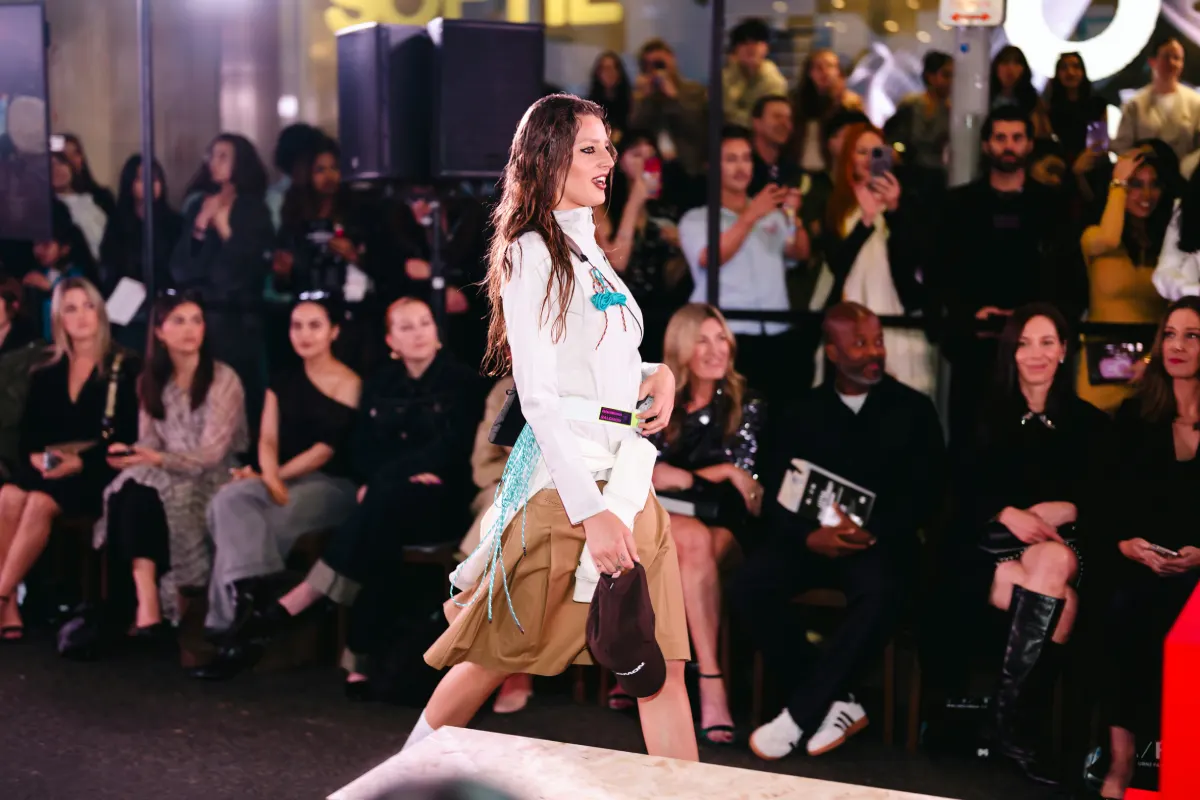
Gen Z fashion aesthetics in the United States reflect a shift away from fixed style categories toward flexible, identity-driven clothing choices. Rather than following one dominant trend, Generation Z adopts multiple aesthetics based on context, mood, and personal values. These aesthetics are shaped by digital culture, social media exposure, and a broader acceptance of individuality in fashion. As a result, the gen z look is not defined by uniform outfits but by adaptable style systems that evolve continuously.

Understanding gen z styles requires looking beyond surface-level trends and examining how cultural influences, comfort, and self-expression shape everyday clothing decisions. This article explores the most prominent Gen Z fashion aesthetics seen across the USA, explaining their origins, defining characteristics, and why they resonate with this generation.

What Are Gen Z Fashion Aesthetics?

Gen Z fashion aesthetics refer to recognizable style patterns that emerge from shared cultural influences rather than formal fashion rules. These aesthetics are not strict categories. Instead, they function as reference points that help explain how Generation Z combines clothing, accessories, and presentation to express identity.

Unlike previous generations, Gen Z often blends multiple aesthetics within a single outfit. A streetwear silhouette may include minimalist elements, or a vintage-inspired look may incorporate modern athletic wear. This fluid approach allows individuals to shift their appearance without redefining their personal style.

Why Aesthetics Matter in Gen Z Style

Aesthetics play an important role in how Gen Z navigates fashion choices. They provide structure without limitation, offering inspiration rather than instruction.

Fashion as a Form of Self-Expression

For Generation Z, clothing is closely tied to personal expression. Aesthetic choices often reflect interests, values, and social connections. Rather than dressing for external approval, Gen Z uses fashion to communicate individuality.

Digital Influence on Visual Identity

Social media platforms encourage visual storytelling. Gen Z aesthetics are shaped by constant exposure to diverse styles, allowing young people to experiment with looks that resonate personally rather than regionally or socially.

Flexibility Over Permanence

Unlike rigid fashion movements, Gen Z aesthetics are temporary and adaptable. Individuals may adopt certain styles for a period and move on without viewing the change as inconsistency.

Streetwear Aesthetic in Gen Z Fashion

Streetwear remains one of the most visible Gen Z fashion aesthetics in the United States. Rooted in urban culture, it emphasizes comfort, practicality, and cultural relevance.

Key Characteristics of Gen Z Streetwear

  • Oversized hoodies and sweatshirts

  • Relaxed-fit pants and baggy jeans

  • Sneakers as everyday footwear

  • Functional outerwear

Streetwear in gen z fashion prioritizes ease of movement and layering, reflecting daily lifestyles that blend school, work, and social activities.

Cultural Roots of Streetwear

Streetwear aesthetics draw influence from skate culture, hip-hop, and sportswear. Gen Z has expanded these roots by integrating digital culture and personal customization into street-inspired outfits.

Minimalist Aesthetic in Generation Z Fashion

Minimalism in Gen Z style focuses on simplicity, neutral colors, and functional design. This aesthetic contrasts with louder trends but remains equally influential.

Defining Features of Minimal Gen Z Looks

  • Neutral or muted color palettes

  • Clean silhouettes

  • Limited accessories

  • Emphasis on quality over quantity

Minimalist gen z clothing often appeals to individuals seeking versatility and long-term wearability.

Why Minimalism Appeals to Gen Z

This aesthetic aligns with values of sustainability and mindful consumption. Fewer items with greater adaptability allow individuals to reduce excess while maintaining personal style.

Vintage and Thrift-Inspired Aesthetic

Vintage fashion plays a central role in many gen z styles. Thrift shopping and second-hand clothing allow individuals to build unique wardrobes while avoiding mass-produced trends.

Characteristics of Vintage-Inspired Gen Z Looks

  • Retro silhouettes and patterns

  • Mixed eras within a single outfit

  • Reworked or customized pieces

Sustainability and Individuality

The popularity of vintage clothing reflects Gen Z’s interest in sustainability and originality. Wearing older styles reduces reliance on fast fashion while supporting creative self-expression.

Y2K-Inspired Gen Z Aesthetic

The revival of early 2000s fashion continues to influence gen z looks across the USA. This aesthetic draws inspiration from pop culture, media, and archived trends.

Key Elements of Y2K Gen Z Fashion

  • Low-rise or relaxed-fit jeans

  • Graphic tops and cropped silhouettes

  • Bold accessories

Modern Adaptation of Y2K Style

Rather than copying past trends exactly, Gen Z reinterprets Y2K aesthetics through modern fits, inclusive sizing, and updated materials.

Gender-Neutral and Androgynous Aesthetic

Gender-neutral fashion represents a significant shift in how Generation Z approaches clothing. This aesthetic challenges traditional gender distinctions in apparel.

Core Features of Gender-Neutral Gen Z Style

  • Oversized fits

  • Shared wardrobe items

  • Neutral colors and silhouettes

Cultural Influence on Androgynous Fashion

Greater acceptance of diverse identities has encouraged fashion choices that prioritize comfort and self-definition over traditional gender norms.

Indie and Creative Aesthetic in Gen Z Fashion

Indie-inspired fashion reflects Gen Z’s interest in creativity and personal storytelling. This aesthetic often blends handmade, artistic, and unconventional elements.

Characteristics of Indie Gen Z Looks

  • Layered outfits

  • Artistic patterns and textures

  • Unique accessories

This style appeals to individuals seeking visual distinction without aligning with mainstream trends.

Athleisure and Casual Comfort Aesthetic

Comfort-driven fashion has become an everyday standard for Gen Z in the United States.

Athleisure as Daily Wear

  • Joggers and sweatpants

  • Hoodies and relaxed tops

  • Comfortable footwear

This aesthetic reflects lifestyle changes where clothing must support multiple activities throughout the day.

How Gen Z Combines Multiple Fashion Aesthetics

One defining aspect of Gen Z fashion is the ability to blend aesthetics without conflict.

Mixing Streetwear With Minimalism

Oversized silhouettes paired with neutral tones create balanced outfits that feel both relaxed and refined.

Combining Vintage With Modern Staples

Older garments are often paired with contemporary basics, creating contrast and individuality.

Regional Influences on Gen Z Fashion Aesthetics in the USA

While digital culture shapes gen z styles nationally, regional influences still matter.

Urban vs Suburban Style Differences

Urban environments often emphasize streetwear and experimental aesthetics, while suburban areas may lean toward casual minimalism.

Climate and Lifestyle Factors

Weather, transportation, and daily routines influence how aesthetics are applied in different regions.

How Gen Z Fashion Aesthetics Influence Brands and Retail

Gen Z aesthetics have reshaped how brands approach design and marketing.

Shift Toward Flexible Collections

Brands increasingly offer adaptable pieces that fit multiple aesthetics rather than single-trend collections.

Community and Identity-Based Marketing

Successful brands engage with communities rather than promoting rigid style ideals.

How to Identify Your Own Gen Z Fashion Aesthetic

Gen Z style is personal rather than prescriptive.

Observing Daily Preferences

Understanding which clothing items feel most comfortable and authentic helps define personal aesthetics.

Using Aesthetics as Inspiration, Not Rules

Aesthetics are tools for exploration, not limitations.

The Future of Gen Z Fashion Aesthetics

As Generation Z continues to influence fashion, aesthetics will remain fluid and evolving.

Continued Emphasis on Individuality

Personal expression will continue to outweigh trend conformity.

Sustainability and Digital Integration

Future aesthetics are likely to reflect environmental awareness and digital identity alongside physical clothing.

Final Thoughts

Popular Gen Z fashion aesthetics in the USA reflect a generation that values flexibility, inclusivity, and authenticity. From streetwear to minimalist looks, these aesthetics serve as frameworks rather than fixed styles, allowing individuals to express identity in diverse ways. As Gen Z continues to redefine fashion norms, understanding these aesthetics provides insight into how modern American style is evolving.

Gen Z Style Explained: How Generation Z Builds Personal Fashion Identity

Gen Z Style Explained: How Generation Z Builds Personal Fashion Identity

      Comments Off on Gen Z Style Explained: How Generation Z Builds Personal Fashion Identity

Gen Z style reflects a generational shift in how fashion is understood, used, and valued in the United States. Rather than following fixed trends or seasonal rules, Generation Z approaches clothing as a personal and adaptable form of expression. Style choices are influenced by identity, comfort, cultural awareness, and digital communities rather than by traditional fashion authorities. As a result, gen z style does not conform to a single aesthetic. It functions as a flexible framework where individuality is prioritized over uniformity.

Understanding generation z style requires examining how clothing decisions connect to broader lifestyle values. Gen Z does not view fashion as separate from daily life. Clothing choices are shaped by social environments, online interactions, and personal beliefs. This approach has reshaped how gen z clothing style is defined and how modern fashion culture evolves.

What Does Gen Z Style Mean in Today’s Fashion Landscape?

Gen Z style represents a shift away from rigid fashion definitions. Instead of following one dominant look, Generation Z embraces multiple styles simultaneously. This openness allows individuals to move between aesthetics without being confined to a single fashion identity.

Gen z style is not defined by age alone but by shared attitudes toward self-expression and authenticity. Many young people view style as an evolving process rather than a finished outcome. Clothing choices may change based on mood, environment, or social context, reinforcing the idea that fashion is personal and situational.

How Generation Z Builds Personal Style Identity

Personal identity plays a central role in generation z style. Clothing is often used to communicate individuality, creativity, and values rather than to signal status or wealth.

Style as a Reflection of Individual Identity

For Generation Z, style functions as an extension of identity. Outfits are chosen to represent personality traits, cultural influences, or emotional states. This approach encourages experimentation and reduces the pressure to conform to external expectations.

Expression Over Perfection

Unlike previous generations that emphasized polished or coordinated looks, gen z clothing style often values authenticity over perfection. Mismatched pieces, layered outfits, and unconventional combinations are common, reinforcing the idea that style does not need to appear flawless to be meaningful.

Flexibility and Self-Definition

Gen Z style allows individuals to redefine their appearance frequently. Rather than committing to a single fashion identity, many young people adapt their clothing choices as their interests and environments change.

Key Characteristics of Gen Z Style in the United States

Several defining characteristics consistently appear across gen z style trends in the USA.

Comfort-First Fashion Choices

Comfort plays a major role in gen z clothing style. Relaxed silhouettes, breathable fabrics, and versatile garments are preferred for everyday wear. Clothing is expected to support active lifestyles rather than restrict movement.

Blending Multiple Influences

Gen Z often blends influences from different eras, cultures, and subcultures. Vintage pieces, modern basics, and streetwear elements may appear in a single outfit. This mixing of styles reflects exposure to diverse fashion sources through digital platforms.

Reduced Emphasis on Formality

Traditional distinctions between casual and formal wear are less relevant to Generation Z. Items once considered informal, such as sneakers or hoodies, are frequently incorporated into everyday outfits across different settings.

The Role of Digital Culture in Shaping Gen Z Style

Digital environments play a significant role in how generation z style develops and spreads.

Social Media as a Style Reference Point

Platforms such as TikTok and Instagram influence how gen z style trends emerge. Rather than relying on fashion magazines or runway shows, Generation Z observes real people sharing outfits in everyday contexts. This creates a more relatable and decentralized fashion culture.

Community-Driven Style Discovery

Online communities allow young people to explore styles that align with their interests. These communities encourage experimentation and normalize diverse fashion expressions. Trends emerge organically through shared visuals and discussions rather than through top-down promotion.

Rapid Trend Evolution

Digital exposure accelerates trend cycles. Gen z style trends may rise and fall quickly, reinforcing the importance of adaptability. Instead of chasing every trend, many individuals focus on integrating select elements into their existing wardrobes.

Gen Z Clothing Style and Cultural Influence

Culture plays an essential role in shaping generation z style. Exposure to global perspectives has broadened fashion influences beyond regional boundaries.

Music and Subculture Influence

Music genres, creative communities, and subcultures strongly influence gen z style. Streetwear, alternative fashion, and creative DIY aesthetics often reflect affiliations with music scenes or artistic movements.

Global Inspiration and Local Interpretation

While Gen Z draws inspiration from global fashion sources, styles are often adapted to local contexts. Climate, lifestyle, and cultural norms influence how global trends are interpreted in everyday outfits.

Sustainability and Values in Gen Z Style Choices

Values influence gen z clothing style decisions as much as aesthetics.

Conscious Consumption Habits

Many Generation Z consumers prioritize mindful purchasing. Rather than frequently buying new clothing, individuals may focus on building adaptable wardrobes with fewer, more versatile pieces.

Second-Hand and Vintage Clothing

Thrift shopping and resale platforms support both sustainability and individuality. Vintage clothing allows Gen Z to create distinctive looks while reducing environmental impact.

Brand Values and Transparency

Generation Z often evaluates brands based on ethical practices and transparency. Clothing choices may reflect broader social and environmental concerns rather than brand prestige alone.

How Gen Z Style Differs From Previous Generations

Comparing generation z style with earlier generations highlights broader cultural shifts.

Gen Z Style vs Millennial Style

Millennial fashion trends often emphasized minimalism and coordinated outfits. In contrast, gen z style favors experimentation, relaxed silhouettes, and mixing aesthetics. Logos and brand visibility are less important than originality.

Shifting Attitudes Toward Trends

While previous generations often followed seasonal trends, Generation Z treats trends as optional references. Individuals may adopt certain elements while ignoring others, reinforcing personal agency in style decisions.

Popular Gen Z Style Aesthetics Without Fixed Labels

Although labels exist, many Gen Z individuals avoid defining themselves by a single aesthetic.

Street-Inspired Everyday Style

Street-influenced clothing remains popular due to its comfort and versatility. Oversized tops, relaxed pants, and casual footwear are common elements of gen z style.

Minimal and Vintage-Inspired Looks

Some individuals prefer understated outfits featuring neutral colors and timeless silhouettes. These styles emphasize longevity and adaptability rather than trend-driven design.

Creative and Experimental Styling

Creative expression is encouraged within gen z clothing style. Layering, unconventional accessories, and personalized details reflect individual interpretation rather than standardized fashion rules.

How Gen Z Develops Style Over Time

Gen Z style evolves continuously rather than following a linear progression.

Experimentation During Early Adulthood

Many young people experiment with different styles as they explore identity and personal preferences. This experimentation is often supported by online inspiration and peer feedback.

Refinement Through Experience

Over time, individuals refine their gen z clothing style by identifying what aligns with their lifestyle and values. This process results in more intentional wardrobe choices.

How to Build a Gen Z-Inspired Personal Style

Adopting gen z style principles does not require following every trend.

Focus on Comfort and Function

Prioritizing comfort ensures clothing supports daily activities. Functional pieces can serve as the foundation of a flexible wardrobe.

Use Trends Selectively

Rather than adopting trends wholesale, Gen Z style encourages selective integration. This approach allows individuals to stay current without constant wardrobe changes.

Emphasize Individual Preferences

Personal style should reflect individual needs and values. Gen z clothing style emphasizes self-definition rather than imitation.

The Long-Term Influence of Gen Z Style on Fashion Culture

Generation Z continues to influence how fashion evolves in the United States.

Redefining Fashion Norms

Gen Z style challenges traditional expectations around formality, gender, and trend cycles. These shifts encourage greater inclusivity and creative freedom.

Impact on the Fashion Industry

Brands are adapting by offering more versatile, inclusive, and value-driven clothing options. Gen z style has influenced how fashion is designed, marketed, and consumed.

A More Flexible Future for Fashion

As Generation Z matures, their approach to style is likely to shape long-term fashion culture. The emphasis on adaptability and authenticity may redefine how future generations engage with clothing.

Final Thoughts

Gen Z style is not defined by a single aesthetic or trend. It represents a flexible, identity-driven approach to fashion shaped by comfort, culture, and personal values. By prioritizing individuality over conformity, Generation Z has introduced a new way of thinking about clothing—one that continues to influence modern fashion in meaningful ways.