Fashion is a dynamic system that reflects how societies change over time. What people wear is influenced by culture, economy, technology, and collective behavior. Within this system, fashion trends act as visible signals of change. They help explain why certain styles become popular, how long they stay relevant, and what they communicate about a particular period.
What is Fashion Trend?
A fashion trend is not just about clothes being popular. It represents a shared direction in how people dress, style, and present themselves. Trends influence design decisions, consumer preferences, and even how fashion businesses operate. They connect individual choices with broader cultural movements.
This pillar guide explores fashion trends in depth—starting from their core meaning, moving through history, psychology, industry impact, and ending with how trends are evolving today. The goal is to give a complete, structured understanding of fashion trends without superficial explanations.
Understanding the Core Meaning of a Fashion Trend
A fashion trend is a recognizable pattern of change in fashion that gains popularity among a large group of people for a specific period of time. This pattern can appear in clothing silhouettes, colors, fabrics, prints, accessories, footwear, or styling methods. What defines a fashion trend is not originality alone, but repetition and collective adoption.
Fashion trends emerge when a style moves beyond individual preference and becomes widely accepted. Once enough people start wearing, sharing, and recognizing a particular look, it enters the trend phase. This collective behavior is what separates a trend from personal style.
Trends are time-sensitive. They belong to a specific moment and reflect the lifestyle, values, and needs of that time. Some trends are short-lived, while others influence fashion for years and evolve into long-term movements. Regardless of duration, every fashion trend plays a role in shaping the visual identity of an era.
Fashion trends also serve a functional purpose. They help organize creativity in the fashion industry. Designers, brands, and retailers rely on trends to make decisions about collections, production, and marketing. For consumers, trends provide guidance, making fashion more accessible and understandable.
Importantly, fashion trends are not random. Social behavior, cultural shifts, economic conditions, and technological changes shape them. When these factors align, certain styles gain momentum and become trends.
Fashion Trend Definition in Simple Terms
In simple terms, a fashion trend is what many people are wearing or following at the same time. When a specific style appears repeatedly in shops, on social media, and in everyday life, it becomes a trend.
A fashion trend can be subtle, such as a preference for certain colors, or more visible, such as a change in clothing shape or length. The defining factor is that the style is widely noticed and adopted, not just worn by a few individuals.
Trend in Fashion Meaning Explained
The meaning of a trend in fashion goes deeper than popularity. Fashion trends represent how people respond to their environment. For example, during periods of social uncertainty, fashion trends often move toward comfort and practicality. During periods of cultural confidence, trends may become more expressive and experimental.
Trends also reflect identity. They demonstrate how people want to be perceived—whether as modern, traditional, creative, or minimalist. In this way, fashion trends act as a visual language that communicates collective values without words.
Difference Between Fashion, Style, Trend, and Fad
Fashion, style, trend, and fad are often used interchangeably, but they represent different concepts within the fashion system. Understanding the difference is essential to understanding fashion trends properly.
Fashion is the broad system that includes clothing design, production, marketing, and consumption. It is the overall framework within which trends and styles exist. Fashion is ongoing and constantly evolving.
Style is personal. It reflects how an individual chooses to dress over time. Style is influenced by trends, but it is not controlled by them. A person’s style tends to be consistent and long-lasting, shaped by personality, comfort, and self-expression.
A fashion trend sits between fashion and style. It is not permanent, but it has influence. Trends guide what is available in stores, what designers create, and what consumers notice. While trends change, they usually follow a structured life cycle rather than disappearing instantly.
A fad is different from a trend. Fads appear suddenly, gain attention quickly, and disappear just as fast. They lack depth, adaptability, and long-term relevance. Most fads do not influence fashion beyond a brief moment.
This distinction explains why some fashion trends evolve into lasting influences while others fade without impact. Trends that align with cultural needs and lifestyle changes tend to last longer and shape future fashion directions.
Why This Distinction Matters in Fashion Trends
Understanding the distinction between style, trend, and fad enables both consumers and brands to make more informed decisions. Consumers can avoid chasing short-lived fads and instead adopt trends that suit their lifestyle. Brands can focus on meaningful trends rather than reacting to every temporary spike in popularity.
This clarity is also important for understanding fashion history and forecasting future trends. Long-term trends often begin as small movements, whereas fads typically lack the structure necessary to sustain growth.
How Fashion Trends Fit Into Personal Style
Fashion trends do not replace personal style; they interact with it. People rarely follow trends exactly as they appear. Instead, they adapt trends to fit their own preferences. This interaction is what keeps fashion dynamic and diverse.
A trend becomes successful when it allows room for personal interpretation rather than forcing uniformity.
Why Fashion Trends Exist in Every Era
Fashion trends exist because fashion itself is a social behavior, not just an individual choice. Humans naturally observe one another, imitate patterns, and seek a sense of belonging within groups. Clothing becomes one of the most visible ways people align themselves with others who share similar values, lifestyles, or aspirations.
In every era, fashion trends act as a collective response to the environment people live in. Economic conditions, social norms, political movements, and technological developments all influence how people dress. Trends emerge when these influences push society in a certain direction, and fashion visually expresses that shift.
Fashion trends also provide structure. Without trends, fashion would be fragmented and difficult to navigate. Trends help organize creativity by giving designers, brands, and consumers a shared reference point. They simplify decision-making for consumers while offering creative boundaries for designers.
Another reason fashion trends exist is change itself. People rarely want to look the same forever. Trends satisfy the human desire for novelty while still staying within socially acceptable limits. They allow people to refresh their appearance without abandoning familiarity completely.
Most importantly, fashion trends help define time. When we look back at previous decades, we often remember them through fashion. Trends become visual markers of history, making them an essential part of cultural memory.
Social and Cultural Drivers of Fashion Trends
Culture plays a central role in shaping fashion trends. Social values, traditions, and collective beliefs influence what people consider appropriate or attractive to wear. As these values change, so do fashion trends.
For example, shifts in gender roles, work culture, and lifestyle patterns often lead to new fashion trends. When societies become more casual, clothing follows. When individuality is celebrated, fashion trends become more diverse and expressive.
Cultural movements also shape trends. Music scenes, art movements, and youth cultures often introduce new aesthetics that later influence mainstream fashion. These movements bring authenticity and meaning to trends, helping them gain acceptance.
Globalization has further expanded cultural influence. Today, fashion trends can borrow elements from different cultures, creating hybrid styles that reflect a more interconnected world.
Psychological Reasons People Follow Fashion Trends
Fashion trends are closely linked to human psychology. One of the strongest psychological drivers is the desire for belonging. Wearing what others recognize as fashionable helps people feel socially accepted and connected.
Another key factor is confidence. When people wear clothing that aligns with current trends, they often feel more comfortable in social settings. Trends act as a form of social validation, reducing fear of judgment.
Fashion trends also satisfy curiosity and the desire for self-renewal. Trying a new trend allows people to experiment with identity without making permanent changes. This balance between novelty and safety makes trends appealing.
Additionally, fashion trends reduce cognitive effort. Instead of constantly deciding what looks good, people rely on trends as guidance. This makes fashion more accessible, especially for those who do not want to invest heavily in styling decisions.
A Brief History of Fashion Trends
Fashion trends did not always move at the speed they do today. In early civilizations, clothing changes were slow and often tied to class, geography, and available materials. Trends were limited due to manual production methods and restricted communication.
During medieval and early modern periods, fashion trends were mainly confined to royalty and elite classes. What nobles wore often influenced others, but adoption could take decades. Clothing trends at this time were symbols of status rather than mass expression.
The Industrial Revolution marked a major turning point. Mechanized production made clothing more affordable and accessible. As a result, fashion trends began spreading more quickly across different social classes. Printed magazines and catalogs helped popularize styles beyond local regions.
In the 20th century, fashion trends accelerated further. Cinema, television, and later the internet made trends visible to large audiences almost instantly. Each decade developed its own distinctive fashion identity, characterized by silhouettes, fabrics, and colors.
The rise of fast fashion in the late 20th and early 21st centuries shortened trend cycles dramatically. Brands could now respond quickly to new styles, making trends more frequent and less durable.
Today, digital platforms and social media have transformed fashion trends into a continuous flow. Trends can emerge globally within days, making fashion more dynamic but also more saturated.
Where Fashion Trends Come From
Fashion trends do not originate from a single place. They are the result of interaction between creative industries, everyday people, and cultural forces. Understanding the origins of trends helps explain why some succeed while others fade quickly.
At their core, fashion trends emerge when new ideas resonate with people’s lived experiences. These ideas can come from designers, communities, technology, or even global events.
Designers, Fashion Houses, and Runways
Designers are often the first to introduce new concepts. Through runway shows and collections, they experiment with shapes, materials, and ideas. These collections serve as creative proposals rather than finished mass trends.
Once designers introduce an idea, it is interpreted, simplified, and adapted by brands and retailers. Over time, elements of high-fashion concepts filter into everyday clothing, helping trends reach a wider audience.
Designers also respond to cultural and market signals. Their work reflects what they observe in society, making fashion trends a two-way conversation rather than a top-down process.
Street Style and Subcultures
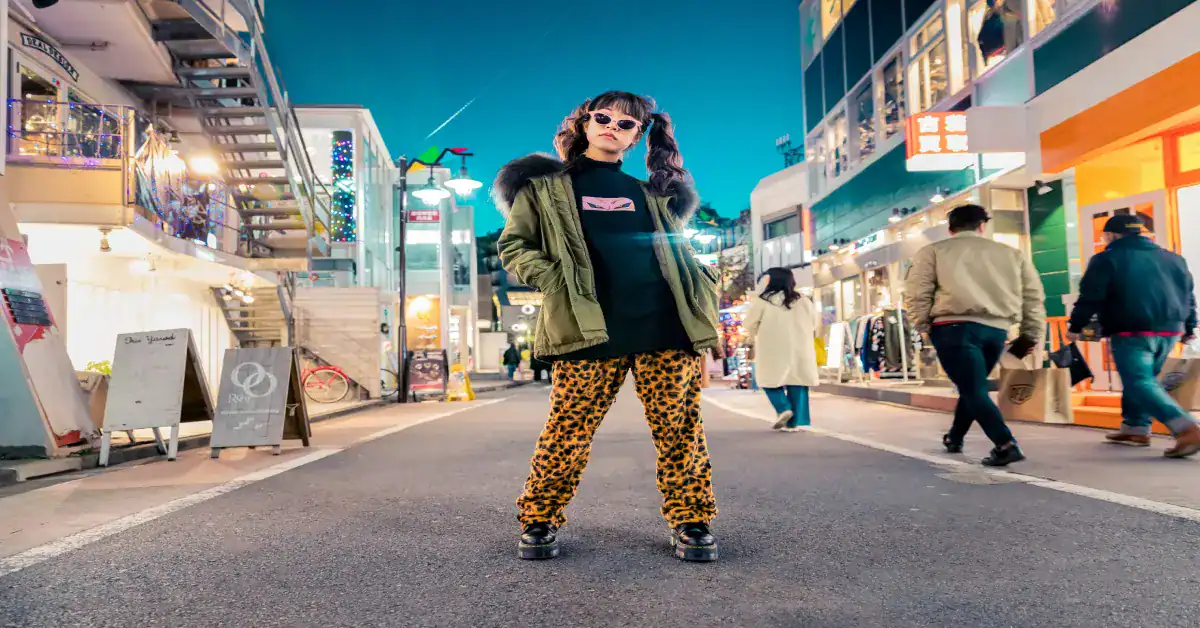
Street style has become one of the most powerful sources of fashion trends. Unlike runway fashion, street fashion emerges organically from people’s daily lives. It reflects real needs, comfort, and identity.
Subcultures such as music scenes, youth movements, and local communities often create distinctive styles that later influence mainstream fashion. These trends feel authentic because they originate from lived experience rather than commercial intention.
Many long-lasting trends, such as casual wear and streetwear, started in subcultures before being embraced by the fashion industry.
Celebrities, Media, and Pop Culture
Celebrities play a major role in amplifying fashion trends. When public figures adopt a certain style, it gains visibility and credibility. Fans often imitate what they see, accelerating trend adoption.
Media coverage further reinforces trends by framing them as desirable or aspirational. Films, television series, and music videos contribute to shaping public perception of what is fashionable.
Pop culture connects fashion trends with emotions, stories, and identities, making them more memorable and influential.
Social Media and Digital Platforms
Social media has fundamentally changed how fashion trends emerge. Platforms enable individuals to instantly showcase their personal style, transforming everyday people into trendsetters.
Digital platforms also speed up trend cycles. A style can go viral overnight, influencing fashion behavior across countries and cultures. This democratization of trend creation has shifted power from traditional gatekeepers to consumers.
However, the speed of digital trends also makes them more temporary. Many online-driven trends rise and fall quickly, contributing to the growing number of micro trends.
The Fashion Trend Life Cycle
Every fashion trend follows a recognizable life cycle. While the length of each stage may vary, the overall process remains consistent across time periods and fashion categories. Understanding this life cycle helps explain why trends appear suddenly, dominate fashion for a while, and then slowly fade away.
The fashion trend life cycle exists because trends are driven by collective interest. Once a style becomes too common, it loses its novelty. At that point, people begin searching for something new, and the cycle starts again. This constant renewal keeps the fashion industry moving forward.
Fashion brands, designers, and retailers closely study this cycle. Timing trend adoption correctly can determine commercial success, while missing the peak can lead to overproduction and loss.
Introduction Stage of a Fashion Trend
The life cycle begins with introduction. At this stage, a new idea appears in a limited environment. This may happen through designers, street style, subcultures, or digital platforms. The trend is experimental and not widely accepted yet.
Early adopters play a key role here. These individuals are more open to change and often influence others through visibility. At this stage, the trend feels fresh, creative, and sometimes unconventional.
Because exposure is limited, risk is high. Many trends never move past this stage if they fail to connect with a broader audience.
Adoption and Popularity Growth
If a trend resonates, it moves into the adoption stage. More people begin to notice and adopt the style. Brands start producing affordable versions, and retailers introduce it to a wider market.
During this stage, fashion media and social platforms increase visibility. The trend becomes recognizable and socially accepted. It still feels current, but it is no longer exclusive.
This is often the most profitable stage for fashion brands, as demand rises rapidly and consumers are eager to participate.
Peak and Market Saturation
At the peak stage, the trend reaches maximum popularity. It is widely available and worn by a large portion of the population. While visibility is high, originality begins to decline.
Overexposure often leads to saturation. When too many people adopt the same style, it loses its appeal for trend-conscious consumers. What once felt exciting may begin to feel predictable.
This stage marks the turning point in the trend life cycle.
Decline and Replacement
Eventually, interest in the trend fades. Consumers move on, and retailers reduce production. The trend either disappears completely or evolves into a modified form.
Some trends decline quietly, while others leave lasting influence. Elements of a trend may reappear years later in a different context, showing how fashion trends often recycle and reinvent themselves.
How Long Do Fashion Trends Last?
There is no fixed lifespan for a fashion trend. Some trends last only a few months, while others influence fashion for decades. The duration depends on several factors, including practicality, adaptability, cultural relevance, and market saturation.
Trends that align with lifestyle changes tend to last longer. For example, trends focused on comfort or sustainability often retain their relevance because they address genuine needs.
Short-lived trends are often driven by novelty rather than function. These trends gain attention quickly but fade once the excitement wears off.
Understanding trend longevity helps consumers make smarter choices and helps brands plan collections more effectively.
Types of Fashion Trends
Purpose: To categorize fashion trends and explain their different impacts
Fashion trends are not all the same. They vary in scale, duration, and influence. Categorizing trends helps clarify why some trends dominate the fashion scene for years, while others disappear quickly.
Micro Fashion Trends
Micro trends are short-term and fast-moving. They often emerge through social media or niche communities. These trends are highly specific and can spread quickly, but they rarely last long.
Micro trends are driven by novelty and visibility. Once they become too common, interest drops. While they add excitement to fashion, they rarely influence long-term design direction.
Macro Fashion Trends
Macro trends develop slowly and have long-term impact. They reflect deeper social, cultural, or technological changes. Examples include sustainability, digital fashion, and gender-neutral clothing.
Macro trends shape the fashion industry over many years. They influence design philosophy, production methods, and consumer values rather than individual garments.
Seasonal Fashion Trends
Seasonal trends are tied to fashion calendars and climate changes. These trends appear in predictable cycles, such as spring or winter collections.
While seasonal trends change regularly, they often build on previous ideas rather than introducing entirely new concepts.
Timeless vs Trend-Driven Fashion
Timeless fashion focuses on classic designs that remain relevant regardless of trends. Trend-driven fashion responds directly to current popularity.
Most wardrobes contain a mix of both. Timeless pieces provide stability, while trend-driven items allow for experimentation and self-expression.
Current Fashion Trends and What Is Trending Now
Modern fashion trends are shaped by changing lifestyles and values. Today’s trends focus less on rigid rules and more on flexibility and individuality. People no longer follow trends exactly as presented; instead, they adapt them to suit personal style.
Comfort has become a dominant theme in current fashion trends. Clothing that allows movement and versatility is highly valued. At the same time, consumers seek pieces that feel intentional rather than careless.
Current Trends in Clothing and Dresses
In clothing and dresses, current trends emphasize relaxed silhouettes, neutral tones, and functional details. Designs are often minimal but thoughtful, allowing for easy styling across different settings.
Rather than extreme fashion statements, today’s trends favor balance. Practicality, comfort, and aesthetics work together to create wearable fashion.
How Fashion Trends Influence Consumer Behavior
Fashion trends strongly influence how people shop. When a trend gains popularity, consumers feel encouraged to update their wardrobes to stay current. This creates cycles of demand that shape retail strategies.
Trends also influence perception of value. Items aligned with current trends are often seen as more desirable, even if similar alternatives exist. This perception drives purchasing decisions and brand loyalty.
At the same time, modern consumers are becoming more selective. Awareness of sustainability and cost has led many people to adopt trends more thoughtfully rather than impulsively.
Impact of Fashion Trends on the Fashion Industry
Fashion trends are not just creative concepts; they are powerful economic drivers. The fashion industry relies heavily on trends to plan design cycles, production volumes, marketing strategies, and retail timing. Every stage of the fashion supply chain is influenced by how trends emerge and perform.
Designers use trends as directional guidance. While creativity remains central, trends help designers understand what consumers are ready to accept. Brands that ignore trends completely risk becoming irrelevant, while those that follow them blindly risk losing identity. Successful fashion brands balance trend awareness with brand consistency.
Manufacturing decisions are also trend-dependent. When a trend gains momentum, production increases to meet demand. Conversely, when a trend begins to decline, brands must reduce output to avoid excess inventory. This makes trend forecasting a critical skill within the industry.
Retailers depend on fashion trends to manage assortments and merchandising. Store layouts, visual displays, and promotional campaigns are often built around current trends. A strong alignment between trend timing and retail execution can significantly impact sales performance.
Market Trends in the Fashion Industry
Market trends in the fashion industry reflect the changing nature of consumer behavior and business models. These trends extend beyond clothing styles and impact how fashion is produced, marketed, and consumed.
One major market trend is the shift toward online and omnichannel shopping. Consumers now expect seamless experiences across physical stores, websites, and social platforms. Fashion trends must therefore be communicated consistently across multiple touchpoints.
Another important market trend is personalization. Consumers increasingly want fashion that reflects their individuality rather than mass uniformity. This has changed how trends are interpreted, encouraging flexible adoption rather than strict following.
Speed is also a defining market trend. Shorter production cycles and faster trend turnover have become standard, driven by consumer demand for novelty and immediacy. However, this speed has also raised concerns about sustainability and waste.
Fashion Trends in the Digital Age
The digital age has reshaped fashion trends more than any previous era. Technology has changed not only how trends spread, but also who creates them and how long they last.
Social media platforms allow trends to circulate instantly across the globe. A style that appears in one country can influence fashion behavior worldwide within days. This global visibility has blurred traditional fashion boundaries.
Digital platforms have also democratized trend creation. Consumers, influencers, and content creators now play a central role in shaping fashion trends. This shift has reduced the dominance of traditional fashion gatekeepers.
At the same time, digital fashion trends are often shorter-lived. The constant flow of content creates trend fatigue, where styles rise and fall rapidly. This has led to the rise of micro trends and increased pressure on brands to respond quickly.
Technology has also introduced new forms of fashion, such as virtual fashion and digital garments. These innovations suggest that future fashion trends may not be limited to physical clothing alone.
Sustainability and the Evolution of Fashion Trends
Sustainability has become one of the most important forces shaping modern fashion trends. As awareness of environmental and social issues grows, consumers are rethinking how they engage with fashion.
This shift has influenced trends toward quality, durability, and ethical production. Instead of chasing constant novelty, many consumers now prefer fewer, better-made items that align with their values.
Sustainable fashion trends often emphasize timeless design, natural materials, and transparent supply chains. These trends challenge the traditional fast-fashion model and encourage slower, more responsible consumption.
While sustainability does not eliminate trends, it changes how they are defined. Trends are increasingly evaluated not only by appearance, but also by impact. This represents a significant evolution in how fashion trends function.
The Future of Fashion Trends
A balance between innovation and responsibility will shape the future of fashion trends. As technology advances and consumer values evolve, trends will continue to change in both form and function.
Personalization is expected to play a major role. Instead of one dominant trend, future fashion may consist of multiple parallel trends tailored to different lifestyles and preferences.
Technology will further influence trend creation and adoption. Data analysis, artificial intelligence, and virtual experiences will help predict and shape fashion trends more accurately.
At the same time, sustainability will remain central. Fashion trends that fail to consider environmental and ethical impact may struggle to gain long-term acceptance.
Overall, the future of fashion trends points toward greater flexibility, inclusivity, and awareness.
How to Keep Up With Fashion Trends
Keeping up with fashion trends does not require constant shopping or strict following. It involves awareness and observation rather than imitation.
Following runway shows, observing street style, and engaging with reliable fashion publications provide insight into emerging trends. Social media can also be useful when approached critically.
Most importantly, keeping up with trends should support personal style rather than replace it. Trends work best when adapted thoughtfully.
Conclusion: Understanding Fashion Trends Beyond Clothing
Fashion trends are more than temporary styles. They are reflections of society, culture, and collective behavior. From their origins to their lifecycle, trends shape how fashion evolves and how people express themselves.
Understanding fashion trends helps consumers make informed choices and helps brands navigate an ever-changing industry. As fashion continues to evolve, trends will remain a central force—adapting to new technologies, values, and ways of living.
By viewing fashion trends as systems rather than fleeting moments, it becomes easier to appreciate their role in shaping both personal style and global fashion culture.
Frequently Asked Questions About Fashion Trends
1. What is a fashion trend, and why does it matter?
A fashion trend is a widely adopted direction in clothing or styling that reflects a specific time, culture, and social mindset. It matters because trends influence how fashion is designed, produced, and worn, helping connect individual choices with broader cultural shifts.
2. How is a fashion trend different from a fad?
A fashion trend develops gradually, gains widespread adoption, and often evolves or influences future styles. A fad appears suddenly, spreads quickly, and disappears without long-term impact or cultural relevance.
3. What factors influence the rise of fashion trends?
Social behavior, cultural movements, economic conditions, technology, media, and lifestyle changes shape fashion trends. When these factors align with people’s needs and values, certain styles gain momentum and become trends.
4. Do fashion trends always come from designers and runways?
No. While designers introduce ideas, many fashion trends originate from street style, subcultures, social media, and everyday people. Modern fashion trends are often a mix of top-down design influence and bottom-up cultural expression.
5. How long does a typical fashion trend last?
There is no fixed timeline. Some fashion trends last only a few months, while others influence fashion for years. Longevity depends on practicality, adaptability, cultural relevance, and how deeply the trend connects with lifestyle changes.
6. Can fashion trends exist without social media today?
Fashion trends existed long before social media, but digital platforms now accelerate how quickly trends spread. Social media amplifies visibility and participation, making trends more global and fast-moving, though often shorter-lived.
7. How can people engage with fashion trends more thoughtfully?
People can engage with fashion trends by understanding their purpose and selectively adopting elements that fit their personal style, comfort, and values. Thoughtful engagement focuses on adaptation rather than imitation.
8. Why do fashion trends change so frequently?
Fashion trends change because society, culture, and consumer behavior constantly evolve. As lifestyles, values, and technologies shift, fashion responds by introducing new styles that reflect current needs and attitudes.
9. Are fashion trends the same across all countries?
No. While some fashion trends become global, many are influenced by local culture, climate, traditions, and social norms. Global trends are often adapted differently in each region rather than being followed exactly the same way.
10. What role does psychology play in fashion trends?
Psychology influences fashion trends through the human desire for belonging, self-expression, and confidence. Trends help people feel socially connected while allowing safe experimentation with identity and appearance.
11. Can fashion trends influence social identity?
Yes. Fashion trends often signal group belonging, values, and cultural alignment. The way people adopt or reject trends can communicate attitudes toward modernity, tradition, creativity, or social change.
- Why do some fashion trends return after many years?
Fashion trends often reappear because cultural cycles repeat and nostalgia influences design. When past styles are reintroduced in a modern context, they feel familiar yet new, allowing trends to be recycled and reinterpreted.
13. How do economic conditions affect fashion trends?
Economic conditions influence how practical or expressive fashion trends become. During uncertain times, trends often focus on durability and comfort, while periods of economic confidence encourage experimentation and bold design.
14. What is the difference between a micro trend and a macro trend?
Micro trends are short-lived, highly specific styles that spread quickly, often through social media. Macro trends develop slowly and reflect long-term cultural or technological changes that shape fashion over many years.
15. How do fashion trends affect sustainability?
Fast-changing fashion trends can increase overproduction and waste. However, newer trends focused on sustainability promote durability, ethical sourcing, and conscious consumption, reshaping how trends function.
16. Do fashion trends influence purchasing decisions?
Yes. Fashion trends affect what consumers perceive as desirable and current, often guiding shopping behavior. However, modern consumers increasingly balance trends with practicality, cost, and ethical considerations.
17. Will fashion trends continue to exist in the future?
Yes. As long as fashion remains a social and cultural system, trends will continue to exist. However, future trends are likely to be more personalized, value-driven, and influenced by technology and sustainability.