
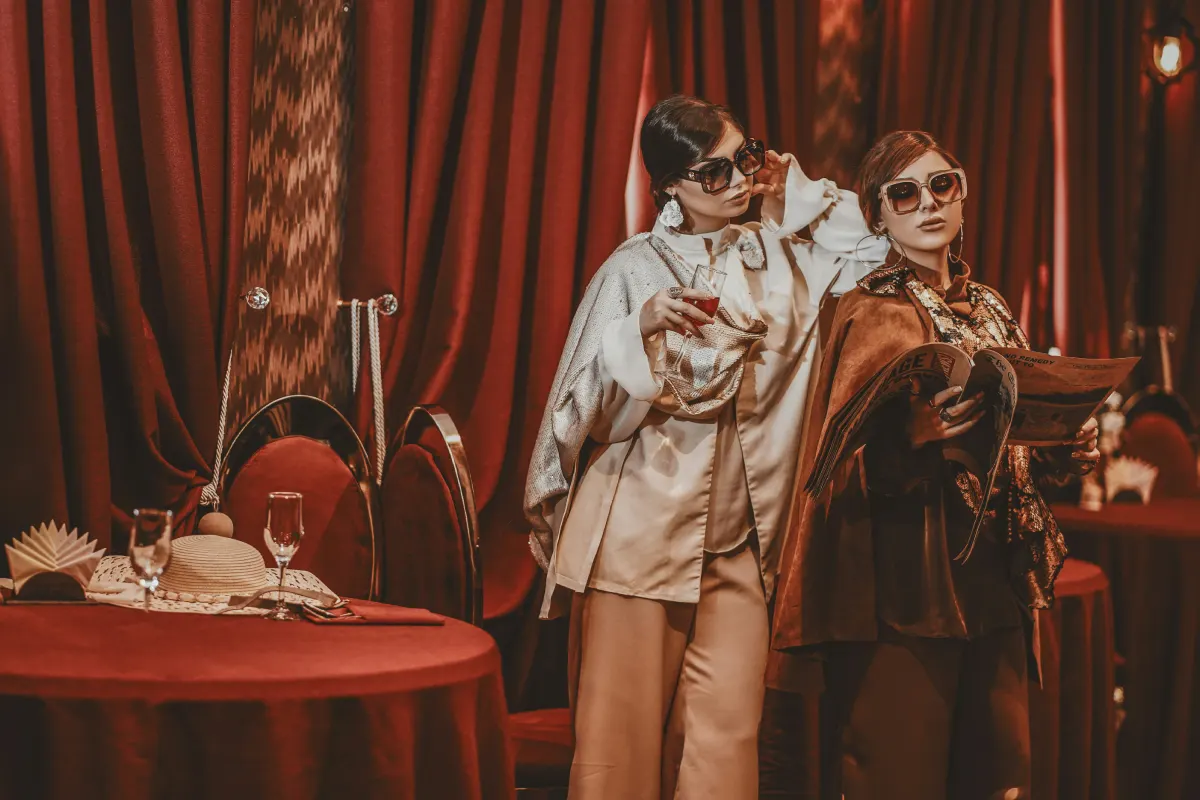
Gen Z Outfits Explained: How Young Americans Build Everyday Looks

Gen Z Outfits Explained: How Young Americans Build Everyday Looks

      Comments Off on Gen Z Outfits Explained: How Young Americans Build Everyday Looks

Gen Z outfits reflect a broader change in how clothing is selected, combined, and worn in everyday life. Rather than following fixed styling rules or seasonal trend lists, many young people approach outfits as flexible systems built around comfort, identity, and daily function. In the United States, Gen Z clothing choices are shaped by digital culture, shifting social values, and a strong preference for individuality over uniform appearance.

This article explains how gen z outfits are put together, focusing on the underlying logic behind everyday looks rather than prescriptive styling advice. By examining how clothing items are selected, combined, and adapted across contexts, it becomes easier to understand why Generation Z dresses the way it does—and how these outfit choices differ from earlier fashion norms.

What Defines a Gen Z Outfit?

A gen z outfit is not defined by a single aesthetic or trend. Instead, it is characterized by adaptability and personal interpretation. Clothing items are chosen based on how they fit into daily routines, social environments, and individual preferences rather than strict fashion guidelines.

Gen Z outfits often combine casual and expressive elements. Comfort plays a central role, but visual expression is equally important. This balance allows outfits to shift easily between settings such as school, work, social gatherings, and online presence without requiring complete wardrobe changes.

The Logic Behind How Gen Z Builds Everyday Outfits

Understanding gen z outfit ideas requires looking at decision-making patterns rather than isolated clothing pieces.

Comfort as the Foundation of Outfit Choices

Comfort is a starting point for most gen z outfits. Loose silhouettes, breathable fabrics, and flexible layering are commonly prioritized. This does not indicate a lack of interest in appearance, but rather a redefinition of what wearable fashion means in daily life.

Function Before Formality

Many gen z outfits are designed to serve multiple purposes throughout the day. Clothing that can transition from casual settings to social environments without adjustment is favored. This practical mindset influences choices such as oversized tops, relaxed pants, and versatile footwear.

Personal Expression Over Standardized Style

Gen Z clothing style values individuality. Outfit combinations are often guided by mood, identity, or cultural references rather than conformity. This results in varied looks even among people wearing similar clothing categories.

Core Clothing Categories Used in Gen Z Outfits

Rather than complete ensembles, Gen Z outfits are built from interchangeable clothing categories that can be mixed and reused.

Tops as Expression Pieces

Graphic t-shirts, simple shirts, and layered tops often serve as the focal point of gen z outfits. These items are used to communicate interests, aesthetics, or cultural references without relying on elaborate styling.

Bottoms Focused on Fit and Movement

Baggy jeans, relaxed trousers, joggers, and flexible skirts are common in gen z clothing choices. Fit is prioritized over structure, allowing ease of movement and long wearability.

Footwear as a Practical Anchor

Shoes in gen z outfits are selected for everyday use rather than occasion-specific styling. Comfort, durability, and versatility influence footwear choices more than trend alignment.

How Gen Z Outfit Ideas Are Formed

Gen z outfit ideas are shaped through observation, experimentation, and repetition rather than formal fashion guidance.

Influence of Digital Platforms

Online platforms play a major role in how gen z outfits are conceptualized. Instead of copying complete looks, individuals often adopt individual elements—such as silhouettes or layering techniques—and adapt them to personal wardrobes.

Peer Inspiration Over Professional Styling

Gen Z draws inspiration from peers rather than fashion authorities. Everyday outfits seen in real-life contexts feel more achievable and relevant than professionally styled images.

Trial, Adaptation, and Reuse

Outfits are rarely fixed. Gen Z frequently reuses clothing items in different combinations, refining their personal style over time. This iterative approach contributes to sustainable wardrobe habits.

Gen Z Outfits Across Different Everyday Contexts

Gen z outfits vary depending on environment, but core principles remain consistent.

Casual Daily Outfits

For everyday activities, gen z outfits often include relaxed tops, comfortable bottoms, and practical footwear. These combinations prioritize ease without sacrificing personal expression.

School, College, and Work-Appropriate Looks

In educational or work environments, gen z outfits adapt through subtle adjustments rather than formal transformations. Layering, neutral colors, or structured accessories help align casual clothing with setting expectations.

Social and Going-Out Outfits

Social gen z outfits may feature bolder elements, such as statement tops or layered accessories. However, comfort and familiarity with clothing remain central, avoiding overly restrictive designs.

How Gen Z Approaches Outfit Repetition

Outfit repetition is widely accepted within Gen Z culture. Wearing similar clothing combinations multiple times is viewed as practical and responsible rather than unfashionable.

This mindset reduces pressure to constantly update wardrobes and supports sustainable clothing habits. Repetition also reinforces personal style consistency, making outfits recognizable extensions of identity.

Gender-Neutrality in Gen Z Outfit Construction

Many gen z outfits are not defined by traditional gender categories. Oversized fits, shared wardrobe items, and neutral silhouettes are common across gen z clothing choices.

This flexibility allows individuals to prioritize fit, comfort, and expression without aligning outfits strictly with gendered fashion expectations.

How Gen Z Outfits Differ From Millennial Outfit Logic

Millennial outfit trends often emphasized coordinated sets and polished appearances. Gen Z outfits, by contrast, focus on adaptability and personal meaning.

Where Millennials may have followed specific style formulas, Gen Z treats outfits as evolving combinations that change based on context rather than trend cycles.

Sustainability and Mindful Outfit Building

Sustainability influences how gen z outfits are assembled. Thrifted clothing, resale platforms, and long-term wardrobe planning play important roles in outfit construction.

Rather than chasing novelty, many young people focus on making existing clothing work across multiple outfits. This approach reduces waste and supports ethical consumption.

How to Build Gen Z-Inspired Outfits Without Copying Trends

Adopting gen z outfit ideas does not require following every emerging style.

Focus on Versatile Basics

Choosing adaptable clothing items allows outfits to evolve naturally. Neutral tops, flexible bottoms, and comfortable footwear form the foundation of many gen z outfits.

Experiment Gradually

Small changes—such as adjusting fit or layering—can introduce gen z style principles without drastic wardrobe overhauls.

Prioritize Authenticity

Gen Z fashion values authenticity over imitation. Outfits should reflect personal routines and preferences rather than trend pressure.

The Broader Impact of Gen Z Outfits on Fashion Norms

Gen Z outfits have influenced how the fashion industry thinks about daily wear. Brands increasingly design clothing that supports flexibility, comfort, and long-term use.

This shift reflects broader changes in consumer expectations, where clothing is expected to adapt to real life rather than idealized scenarios.

Frequently Asked Questions About Gen Z Outfits

What defines a Gen Z outfit?

A Gen Z outfit is defined by comfort, adaptability, and personal expression rather than strict fashion rules or coordinated styling.

How do Gen Z outfits differ from traditional fashion outfits?

Gen Z outfits prioritize function and individuality, often blending casual and expressive elements without formal structure.

Are Gen Z outfits trend-driven?

Trends influence Gen Z outfits, but most individuals adapt trends selectively rather than following complete trend-based looks.

Why is comfort important in Gen Z outfits?

Comfort supports daily flexibility and long wearability, aligning clothing choices with modern lifestyles and values.

Do Gen Z outfits follow gender-specific rules?

Many Gen Z outfits are gender-neutral, focusing on fit and expression instead of traditional gender categories.

Final Thoughts

Gen Z outfits reflect a practical, expressive approach to everyday clothing. By focusing on comfort, flexibility, and personal meaning, Generation Z has reshaped how outfits are constructed and worn. Rather than following rigid style systems, Gen Z continues to redefine fashion as an adaptable part of daily life—one that reflects identity as much as appearance.
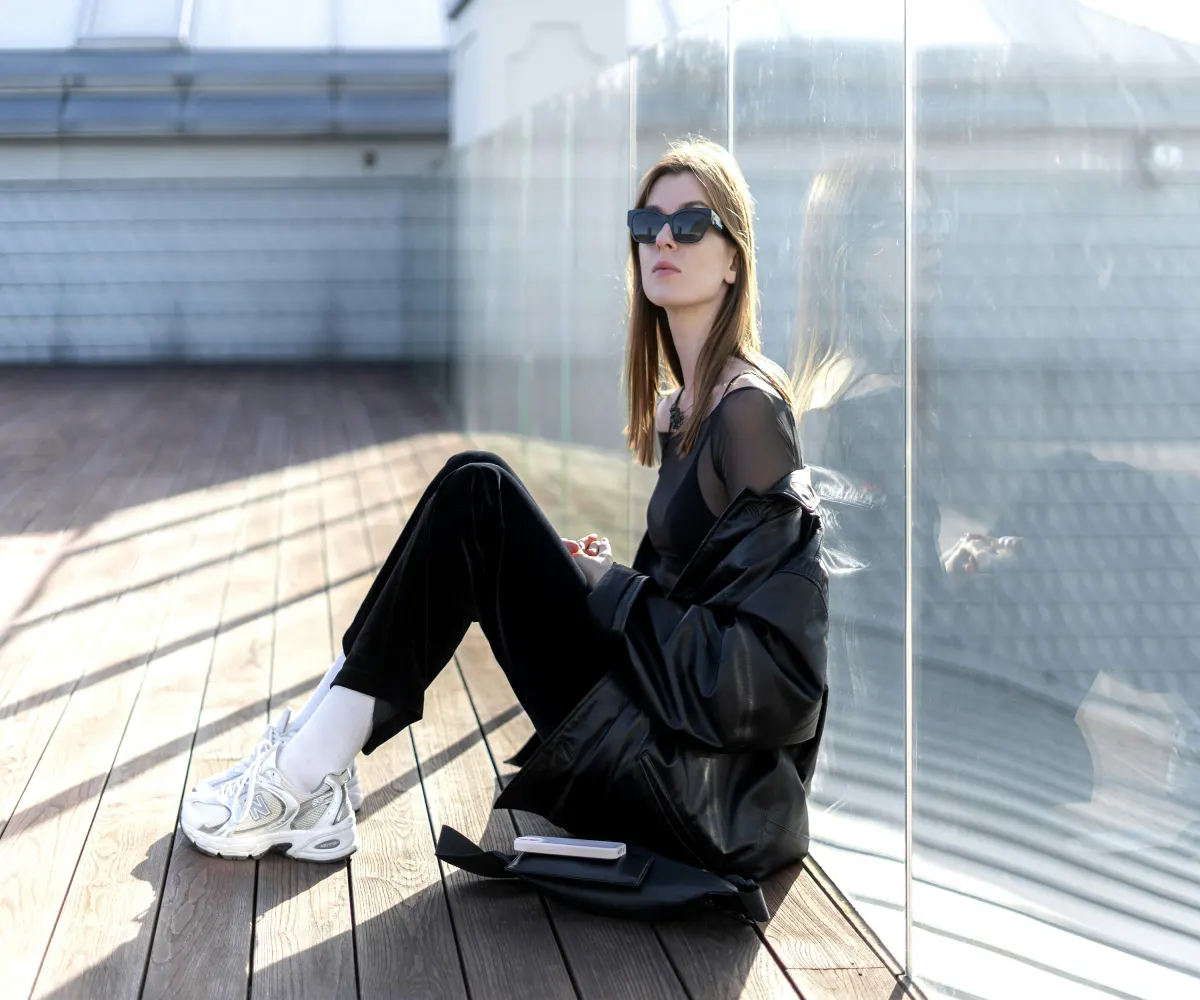
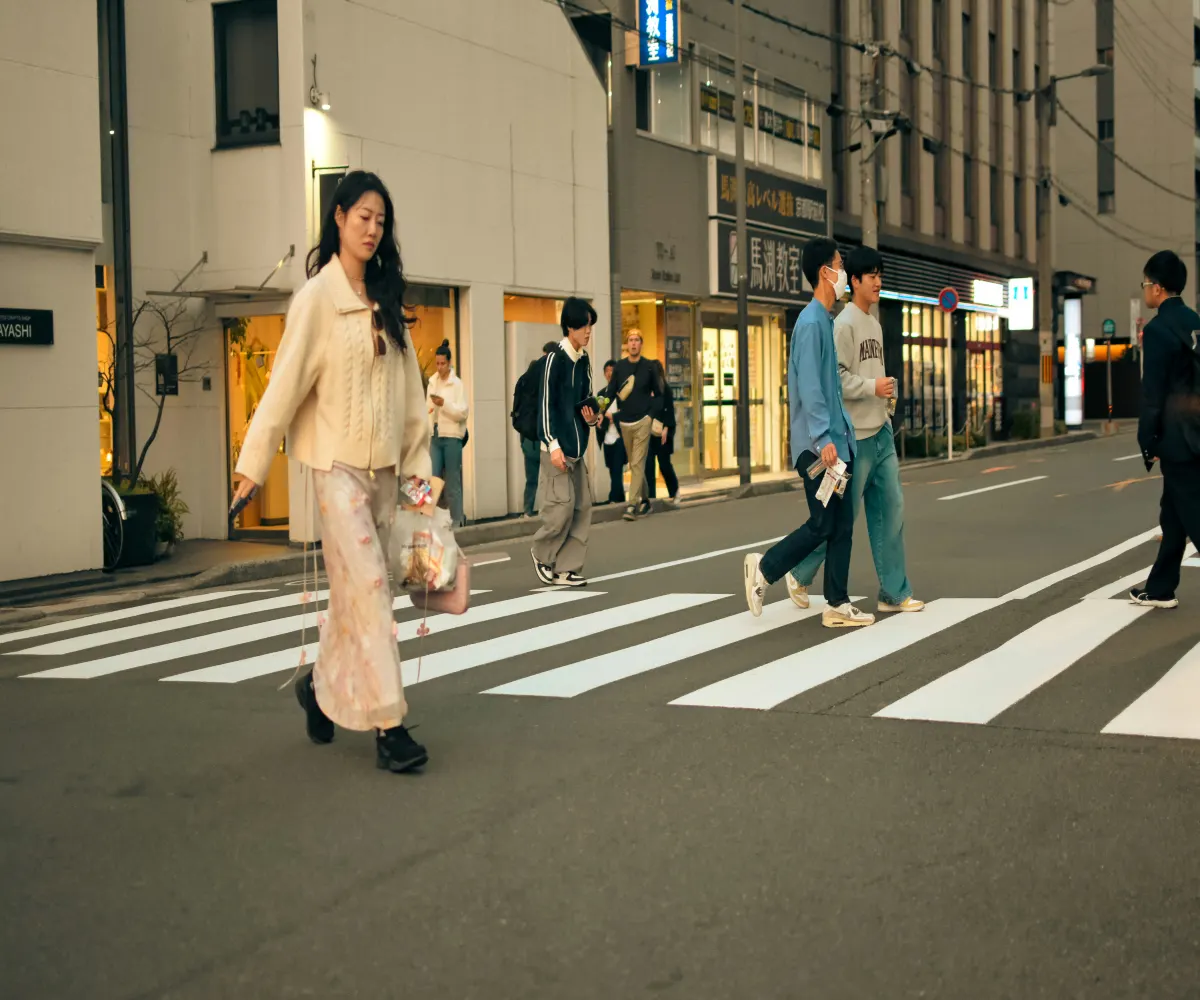
Current Gen Z Fashion Trends: How Modern Style Trends Emerge, Spread, and Fade

Current Gen Z Fashion Trends: How Modern Style Trends Emerge, Spread, and Fade

      Comments Off on Current Gen Z Fashion Trends: How Modern Style Trends Emerge, Spread, and Fade

Fashion trends associated with Generation Z change faster than those of previous generations, but the speed of change does not mean the trends lack structure or meaning. Current Gen Z fashion trends are shaped by digital environments, social behavior, and cultural values rather than seasonal fashion calendars. Understanding how these trends emerge and decline requires examining the systems that influence Gen Z clothing choices rather than focusing solely on individual styles.

In the United States and globally, Gen Z fashion trends function as short-term expressions of identity, community, and relevance. Trends gain attention through visibility, participation, and adaptation, then gradually lose momentum as cultural focus shifts. This article explains how Gen Z fashion trends form, spread, and fade, providing context for why trend cycles are shorter, more fragmented, and more personalized than in earlier generations.

What Defines Current Gen Z Fashion Trends?

Current Gen Z fashion trends are defined less by uniformity and more by participation. A trend does not require widespread adoption across an entire generation to be considered relevant. Instead, trends often exist within specific online communities, geographic regions, or cultural niches.

Gen Z fashion trends typically share three defining characteristics: rapid visibility, flexible interpretation, and short peak cycles. These traits reflect how Generation Z engages with fashion as an ongoing process rather than a fixed outcome.

Trends as Social Signals Rather Than Long-Term Commitments

For Generation Z, wearing a trend is often a way to participate in a moment rather than invest in a long-term aesthetic. Clothing becomes a social signal that communicates awareness, curiosity, or belonging, even if the trend is temporary.

Personal Adaptation Over Exact Replication

Unlike traditional trend adoption, Gen Z rarely follows trends exactly as presented. Instead, trends are adapted to personal wardrobes, budgets, and preferences. This flexibility allows trends to spread quickly while still supporting individual expression.

How Gen Z Fashion Trends Form

Understanding how Gen Z fashion trends begin requires looking beyond designers and brands. Trends often originate from everyday users rather than centralized fashion authorities.

Digital Platforms as Trend Incubators

Social media platforms play a central role in forming Gen Z fashion trends. In the United States, short-form video platforms accelerate trend discovery by allowing users to share outfits, styling experiments, and visual ideas instantly. Trends often begin as repeated visual patterns rather than named styles.

Peer-Driven Visibility and Replication

Once a visual idea gains attention, it spreads through peer replication. Gen Z trends often grow because individuals see similar clothing choices repeatedly across different accounts, locations, and social groups. This repetition creates familiarity, which encourages participation.

Cultural Timing and Emotional Relevance

Trends tend to form when they align with broader cultural moods. Economic conditions, social movements, and lifestyle changes influence what types of clothing gain traction. Comfortable silhouettes, for example, gained prominence as daily routines became more flexible and informal.

Why Gen Z Fashion Trends Spread So Quickly

The speed at which current Gen Z trends spread is closely tied to how Generation Z consumes information and interacts online.

Constant Exposure to New Visual Content

Gen Z encounters fashion content continuously throughout the day. Unlike previous generations, exposure is not limited to magazines or scheduled media. This constant visual input shortens the time between discovery and adoption.

Low Barriers to Participation

Many Gen Z fashion trends rely on accessible clothing items rather than exclusive products. Thrifted pieces, basic garments, or reused items allow trends to spread without requiring significant financial investment.

Community Validation and Feedback Loops

Likes, comments, and shares function as feedback mechanisms that reinforce trend visibility. When outfits receive engagement, they gain perceived relevance, encouraging others to participate.

The Lifecycle of a Gen Z Fashion Trend

Every Gen Z fashion trend follows a general lifecycle, even though timelines vary.

Emergence Phase

During this phase, a visual idea appears repeatedly but has not yet been widely recognized as a trend. Early adopters experiment with the look without labeling it.

Growth Phase

As visibility increases, more people replicate the trend. At this stage, the trend may receive a name or become associated with a specific aesthetic. Media outlets and brands may begin to reference it.

Saturation Phase

The trend reaches peak visibility. While participation remains high, originality decreases as interpretations become more uniform.

Decline Phase

Once saturation occurs, interest gradually fades. Gen Z tends to move away from trends perceived as overexposed, making room for new ideas.

Why Gen Z Fashion Trends Fade Quickly

Short trend cycles are not a sign of indecision but rather a reflection of how Generation Z approaches fashion.

Preference for Novelty and Creativity

Gen Z values creativity and experimentation. Once a trend feels repetitive, it loses its appeal. The desire for novelty encourages constant exploration rather than long-term trend loyalty.

Awareness of Overconsumption

Many Gen Z consumers are cautious about excessive consumption. Short-term participation allows engagement without committing to large wardrobe changes.

Shifting Digital Attention

Online attention moves rapidly. As new visual content appears, older trends receive less engagement, accelerating their decline.

Popular Categories Within Current Gen Z Fashion Trends

While trends change quickly, certain categories consistently reappear in Gen Z fashion.

Relaxed and Oversized Clothing

Comfort-focused silhouettes remain a recurring theme. Oversized tops, relaxed pants, and casual layering appear frequently across different trend cycles.

Vintage and Second-Hand Influences

Thrifted and vintage clothing continues to shape Gen Z fashion trends. Older garments are often reinterpreted to fit modern styling preferences.

Functional and Everyday Wear

Practical clothing that supports daily routines tends to gain traction. Trends often emphasize wearability rather than purely decorative elements.

The Role of Sustainability in Trend Behavior

Sustainability influences how Gen Z interacts with fashion trends, even when trends are temporary.

Selective Participation Over Full Adoption

Rather than adopting entire trends, many Gen Z consumers integrate small elements into existing wardrobes. This approach reduces waste while allowing creative expression.

Resale and Reuse as Trend Extensions

When trends fade, clothing items are often resold, reused, or restyled. This practice extends the lifecycle of garments beyond a single trend moment.

How Brands Respond to Rapid Gen Z Trend Cycles

Brands targeting Gen Z fashion trends must adapt to faster cycles without encouraging excessive consumption.

Focus on Versatility and Adaptability

Brands increasingly design clothing that can transition between trends. Neutral foundations combined with adaptable elements allow garments to remain relevant longer.

Emphasis on Community Engagement

Instead of dictating trends, brands often observe and respond to community behavior. This shift reflects Gen Z’s preference for authenticity over authority.

Global Influence on Gen Z Fashion Trends

Although the United States plays a major role in shaping Gen Z fashion trends, global influence is significant.

Cross-Cultural Style Exchange

Digital platforms allow trends to move across borders quickly. Styles inspired by different cultures blend into localized interpretations rather than remaining isolated.

Regional Adaptation of Global Trends

While trends may spread globally, how they are worn varies by region. Climate, lifestyle, and cultural norms shape how trends are adapted locally.

How to Engage With Gen Z Fashion Trends Thoughtfully

Engaging with trends does not require constant wardrobe updates.

Prioritizing Personal Style Over Trend Chasing

Gen Z fashion encourages individuality. Trends can be viewed as inspiration rather than instruction.

Building a Flexible Wardrobe

Versatile clothing allows trend participation without overconsumption. Core items can be styled differently as trends evolve.

Understanding Trends as Temporary Moments

Recognizing trends as temporary reduces pressure to keep up continuously. This mindset supports sustainable and intentional fashion choices.

The Future of Gen Z Fashion Trends

As Generation Z continues to influence fashion culture, trends are likely to become even more decentralized.

Micro-Trends and Niche Communities

Future trends may exist primarily within smaller communities rather than dominating mainstream fashion.

Digital Identity and Fashion Expression

Online representation will continue to shape how trends form and spread. Digital identity may influence physical clothing choices more directly.

Long-Term Shift Toward Individualized Style Systems

Rather than following broad trends, Gen Z may increasingly focus on personalized style frameworks that evolve gradually.

FAQs

What are current Gen Z fashion trends?

Current Gen Z fashion trends reflect how young people express identity through clothing using digital platforms, peer influence, and adaptable styling rather than fixed seasonal rules.

Why do Gen Z fashion trends change so fast?

Trends change quickly because Gen Z values creativity, novelty, and personal expression, combined with constant exposure to new visual content online.

How do Gen Z fashion trends start?

Most Gen Z fashion trends begin organically through social platforms where repeated visual patterns gain attention and peer participation.

Do Gen Z fashion trends focus on sustainability?

Many Gen Z consumers consider sustainability by participating selectively in trends, reusing clothing, and supporting resale or second-hand fashion.

Are Gen Z fashion trends the same worldwide?

While trends spread globally, they are adapted locally based on culture, climate, and lifestyle, creating regional variations.

How can someone follow Gen Z fashion trends without overconsuming?

By integrating small trend elements into an existing wardrobe and prioritizing versatility over frequent purchases.

Final Takeaway

Current Gen Z fashion trends are not random or chaotic. They follow identifiable patterns shaped by digital culture, social interaction, and evolving values. By understanding how trends form and fade, it becomes easier to engage with Gen Z fashion thoughtfully, whether as a consumer, brand, or observer. Rather than defining fashion through rigid trends, Generation Z continues to reshape style as an ongoing, adaptable form of expression.

Gen Z Fashion Trends in 2026: What Styles Are Gaining Momentum

Gen Z Fashion Trends in 2026: What Styles Are Gaining Momentum

      Comments Off on Gen Z Fashion Trends in 2026: What Styles Are Gaining Momentum

Fashion trends in 2026 reflect how Generation Z continues to reshape clothing, style, and consumption patterns. Rather than following short-term aesthetics, Gen Z fashion trends increasingly emerge from cultural behavior, digital influence, and changing attitudes toward identity and sustainability. In the United States and across global markets, Generation Z approaches fashion as a flexible system shaped by comfort, values, and self-expression.

Unlike traditional fashion cycles driven by seasonal collections, gen z fashion trends 2026 develop through social platforms, peer communities, and lifestyle shifts. These trends are less about uniform adoption and more about adaptable ideas that can be personalized. Understanding gen z trends 2026 therefore requires examining how cultural priorities influence what young people wear, why they wear it, and how those choices evolve over time.

What Defines Gen Z Fashion Trends in 2026?

Gen Z fashion trends in 2026 are defined by longevity rather than novelty. While visual styles continue to change, the underlying principles guiding Generation Z fashion remain consistent.

Fashion as a System Rather Than a Trend Cycle

For Generation Z, fashion trends are not isolated moments. Clothing choices reflect ongoing preferences for comfort, inclusivity, and versatility. Rather than replacing wardrobes each season, Gen Z adapts existing pieces to fit new contexts, reinforcing sustainability and individuality.

The Role of Cultural and Digital Influence

Digital environments remain central to how gen z fashion trends form. Trends gain momentum through shared experiences rather than top-down promotion. As a result, trends in 2026 are shaped by participation rather than imitation.

How Gen Z Fashion Trends Are Evolving Compared to Previous Years

Looking at gen z trends 2026 in context shows a gradual evolution rather than abrupt change.

From Visual Trends to Lifestyle-Driven Fashion

Earlier Gen Z fashion cycles emphasized recognizable aesthetics. In 2026, trends increasingly reflect lifestyle needs, such as remote work, hybrid education, and social flexibility. Clothing that transitions easily between settings continues to gain popularity.

Reduced Emphasis on Rapid Trend Turnover

Trend fatigue has led many Gen Z consumers to prioritize repeat wear and adaptable styling. This shift supports slower trend adoption and longer relevance cycles.

Key Gen Z Fashion Trends Gaining Momentum in 2026

Rather than focusing on isolated items, gen z fashion trends 2026 can be understood through broader style movements.

Relaxed Silhouettes and Functional Design

Comfort remains a defining feature of Gen Z clothing trends. Relaxed fits, flexible fabrics, and functional layering are increasingly common. These designs support daily movement while maintaining visual balance.

Elevated Casual and Everyday Wear

Casual clothing continues to evolve in 2026. Instead of purely athletic aesthetics, elevated casual wear blends structured elements with relaxed silhouettes, allowing outfits to function across multiple social settings.

Continued Popularity of Oversized and Layered Styles

Oversized clothing remains relevant, not as a novelty but as a practical design choice. Layering supports seasonal adaptability and personal styling preferences.

Sustainability as a Long-Term Gen Z Fashion Trend

Sustainability is no longer treated as a separate category within gen z fashion trends 2026.

Ethical Production and Material Awareness

Generation Z increasingly considers how clothing is made. Brands that communicate clearly about materials, sourcing, and labor practices align more closely with Gen Z expectations.

Second-Hand, Vintage, and Circular Fashion Growth

Resale platforms and vintage shopping continue to expand globally. These channels allow Gen Z to participate in fashion trends while reducing environmental impact.

Gen Z Fashion Trends in 2026 Across the United States and Globally

While trends originate locally, digital exposure allows gen z fashion trends to move across borders quickly.

United States as a Trend Amplifier

The U.S. remains a major contributor to Gen Z fashion trends due to its cultural diversity and strong digital presence. However, trends often evolve through global reinterpretation.

Regional Adaptation and Global Influence

International Gen Z communities adapt trends based on climate, culture, and access. This creates multiple versions of the same trend rather than a single dominant style.

How Technology Shapes Gen Z Fashion Trends in 2026

Technology continues to influence how trends are discovered, adopted, and adapted.

Digital Discovery and Trend Validation

Social platforms function as discovery engines, but validation increasingly comes from peer interaction rather than influencer authority alone.

Virtual Identity and Fashion Experimentation

Digital spaces allow Gen Z to experiment with style concepts before applying them in physical wardrobes. This experimentation influences long-term fashion preferences.

Gender-Neutral and Inclusive Fashion Trends

Inclusivity remains a foundational principle in gen z fashion trends 2026.

Blurring Traditional Gender Categories

Many Gen Z clothing trends emphasize versatility rather than gender classification. This supports broader adoption and personalization.

Focus on Fit and Function Over Labels

Clothing is increasingly evaluated based on comfort and adaptability rather than predefined categories.

How Gen Z Uses Fashion Trends to Express Identity

Fashion trends in 2026 function as tools rather than rules.

Personal Interpretation Over Exact Replication

Gen Z often adapts trends to suit individual preferences. This results in diverse expressions within the same trend framework.

Community-Driven Style Signals

Fashion choices often reflect community belonging rather than mainstream approval. Micro-communities continue to shape localized trend interpretations.

What Brands Need to Understand About Gen Z Fashion Trends in 2026

Brands engaging with Gen Z must align with evolving expectations.

Transparency Over Promotion

Clear communication around values and processes matters more than aggressive trend marketing.

Long-Term Relevance Over Short-Term Hype

Trends that align with Gen Z lifestyles tend to maintain relevance longer than visually extreme designs.

The Future Direction of Gen Z Fashion Beyond 2026

Looking ahead, Gen Z fashion trends suggest continued emphasis on adaptability.

Trend Evolution Instead of Replacement

Future trends are likely to evolve from existing styles rather than replacing them entirely.

Fashion as a Reflection of Social Change

As cultural conversations continue to evolve, fashion remains a visible reflection of broader generational priorities.

Frequently Asked Questions About Gen Z Fashion Trends in 2026

What are the main Gen Z fashion trends in 2026?

Gen Z fashion trends in 2026 focus on comfort, adaptability, sustainability, and personal expression rather than strict seasonal styles.

How are Gen Z fashion trends different from previous years?

Trends in 2026 emphasize longevity and lifestyle relevance, moving away from rapid trend turnover.

Are Gen Z fashion trends in 2026 global or region-specific?

While many trends emerge in the United States, they are adapted globally based on regional culture and climate.

Why is sustainability important in Gen Z fashion trends?

Sustainability aligns with Generation Z values around environmental responsibility and mindful consumption.

How does technology influence Gen Z fashion trends?

Technology shapes discovery, experimentation, and community interaction, influencing how trends form and spread.

Will Gen Z fashion trends continue to change rapidly?

Visual elements may change, but core principles such as comfort and inclusivity are likely to remain stable.

Final Takeaway

Gen Z fashion trends in 2026 represent an evolution rather than a disruption. As Generation Z continues to influence global fashion, trends increasingly reflect long-term values, lifestyle needs, and cultural awareness. Understanding these trends provides insight not only into what Gen Z wears, but why those choices matter in shaping the future of fashion.