Shopping for linen women’s pants sounds simple until you start. Some pairs wrinkle into a mess by lunch. Others look great on a model and feel scratchy, sheer, or boxy on you. Prices run from $30 to $200, and the label rarely tells you which pair is worth it.
Here is the short answer. The best linen pants are 100% linen or a linen-rich blend, with a mid-weight fabric that does not go see-through, and a cut that matches how you actually dress. Wide-leg suits hot weather and travel. A tapered or straight leg works for the office. A drawstring waist wins on comfort.
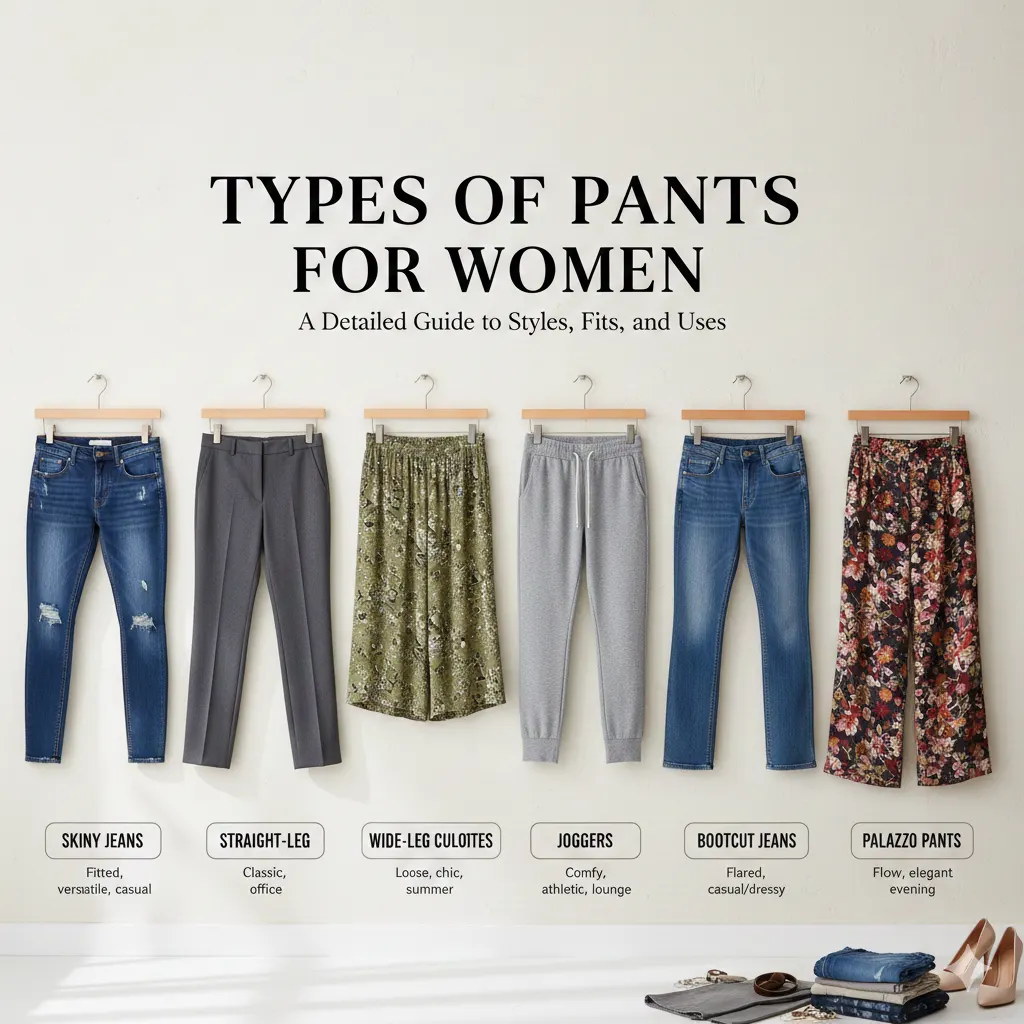
This list covers 5 pairs, one for each style, from relaxed beach-ready cuts to polished linen dress pants for work. For each pair, we explain the fit, the fabric weight, and who it suits best. We also note how to style it, and how to care for it so it lasts more than one summer. Skim the picks, then choose the one that fits your wardrobe.
1. Wide-leg linen pants for all-day comfort
Start here if you only plan to buy one pair. Wide-leg is the most forgiving cut in linen, and it handles heat better than any other shape.
Why it works
Linen breathes best when it does not cling. A wide leg lets air move around your thighs and calves, so heat escapes instead of building up against your skin. The cut also hides wrinkles. Creases blend into the volume of the fabric, so a pair still looks intentional after a four-hour flight.
Drape is the second reason. Midweight linen falls in soft, long lines when the leg is wide, which makes a high-rise pair look longer and more polished than its comfort suggests.
Wide-leg linen works because airflow and drape do the job that stiff tailoring cannot.
Who it suits
Anyone who runs warm, travels often, or hates tight waistbands will like this cut. Petite wearers should choose a high rise with an ankle-length hem so the fabric does not swallow the frame. Tall wearers can go full length and pair them with flat sandals or a chunky sneaker.
Skip very wide palazzo shapes if you are under 5’4″ and plan to wear flats. In that case, a slightly narrower wide-leg keeps the proportions balanced without losing the airflow.
Best fabric and price range
For women’s linen pants in this cut, look for 100% linen at about 5 to 6 oz per square yard (roughly 170 to 200 gsm). Lighter than that and the fabric turns sheer in sunlight. Heavier and it loses the breezy feel. A stone-washed or pre-washed finish softens the fabric and limits shrinking after your first wash.
| Tier | Typical fabric | Price range |
|---|---|---|
| Budget | Linen-viscose blend, about 55/45 | $30 to $60 |
| Mid-range | 100% linen, stone-washed | $70 to $130 |
| Premium | European flax linen, often lined | $140 to $200 |
For most people, the mid-range tier is the sweet spot. Blends wrinkle less, but they trap more heat and pill sooner. Check the care tag before you commit, because a pair you can machine wash on gentle will get worn far more often.
2. Straight-leg linen pants for a classic look
If wide-leg feels like too much fabric, straight-leg is the cleaner alternative. It is the cut most people picture first when they think of linen trousers.
Why it works
A straight leg falls from hip to hem in one line, so it looks structured without feeling stiff. Linen holds that shape well, which means you can wear the same pair with a tucked-in tee, a blazer, or a loose button-down.
The trade-off is wrinkles. They show more here than in a wide leg. Hang the pants right after washing and steam them before you leave, and they relax in minutes.
A straight leg gives linen structure without taking away its breathability.
Who it suits
Most people can wear this cut, especially if you like a minimalist, repeatable wardrobe. Choose a mid-rise with a full-length hem and loafers or low sneakers.
Pear shapes should look for a slightly relaxed thigh so the fabric does not pull when you sit. If you shop for women’s pants linen in your petite size, check that the hem hits the ankle bone, not the top of your foot.
Best fabric and price range
Pick 100% linen or a 70/30 linen-cotton blend at roughly 5 to 7 oz per square yard. The cotton reduces creasing and keeps the price lower.
| Tier | Typical fabric | Price range |
|---|---|---|
| Budget | Linen-cotton blend | $35 to $65 |
| Mid-range | 100% linen, pre-washed | $70 to $120 |
| Premium | Heavier European linen | $130 to $180 |
Spend in the mid-range if you plan to wear them weekly. Look for real belt loops and a lined fly, since those details signal a pair built to last.
3. Linen dress pants for work and formal events
Many people write linen off for the office. Tailoring changes that. A pair with a sharp crease and a clean waistband reads as dress pants, not beachwear.
Why it works
Structure does the heavy lifting. A flat front, pressed crease, and tapered leg make linen look deliberate, and the fabric stays far cooler than wool in a stuffy conference room or an outdoor wedding.
Linen dress pants work when tailoring controls the wrinkles instead of fighting them.
Lining helps too. A half or full lining stops the fabric from clinging and keeps it from going sheer under bright light.
Who it suits
These are for anyone in a warm climate or a business-casual office. They also work for summer weddings and client events. Two quick rules:
- Choose navy, charcoal, or black for formal settings. Pale shades show every crease.
- Pick a mid or high rise with a hem that skims your shoes.
Best fabric and price range
Look for linen blended with 20 to 30% viscose or polyester at 5 to 7 oz per square yard. A little blend gives the pants a sharper drape and fewer wrinkles. Pure linen is fine if you steam it before each wear.
| Tier | Typical fabric | Price range |
|---|---|---|
| Budget | Linen-viscose blend | $40 to $70 |
| Mid-range | Linen-rich blend, half-lined | $80 to $140 |
| Premium | Pure linen, fully lined | $150 to $220 |
Spend mid-range if you wear them weekly.
4. Drawstring or elastic-waist linen pants for easy wear
Some days you want pants that ask nothing of you. With no zipper and no button, this cut is the one you will reach for most once the weather turns hot.
Why it works
A soft waist moves with you, so these pants stay comfortable through meals, flights, and long walks. The drawstring also lets you adjust the fit as your day or the season changes.
Linen suits this detail because both are casual by nature. The result looks relaxed on purpose, not sloppy, as long as the fabric has some weight to it.
An adjustable waist makes linen pants the easiest pair to wear on repeat.
Who it suits
Anyone who values comfort over polish will love these, especially if you work from home, travel often, or spend summers near the water. Choose a flat front panel with an elastic back, because a fully gathered waist adds bulk at the hips.
Skip the gathered styles if you want a sleek line under fitted tops. In that case, pick a tapered ankle and a longer shirt, which keeps the shape tidy.
Best fabric and price range
Look for 100% linen or a linen-cotton blend at about 4.5 to 6 oz per square yard. Lighter weights drape well at a gathered waist. Check for sewn-in elastic and a reinforced drawcord channel, since cheap women’s linen pants stretch out fast.
| Tier | Typical fabric | Price range |
|---|---|---|
| Budget | Linen-cotton blend | $25 to $50 |
| Mid-range | 100% linen, pre-washed | $55 to $95 |
| Premium | European linen, lined | $100 to $150 |
Buy mid-range if you plan to wear them often.
5. Cropped and culotte linen pants for warm days
When temperatures climb past 85°F, shorter hems make the biggest difference. Cropped and culotte cuts stop at mid-calf or the ankle, which is where linen feels lightest.
Why it works
Less fabric around your lower legs means more airflow and no hem dragging in the heat. Culottes add a wide, skirt-like swing that moves air even better, while a cropped straight leg keeps things neat. Both show off sandals and sneakers, so the outfit looks finished with little effort.
Shorter linen pants stay cooler because the hem leaves your lower leg free.
Who it suits
Petite and average-height wearers get the most from these, since a cropped hem with a high rise lengthens your leg line. Tall wearers should check that the crop lands mid-calf, not halfway up the shin. If you want to look longer, skip culottes that end at the widest part of your calf and pick an ankle-skimming crop instead.
Best fabric and price range
Choose 100% linen at about 4.5 to 6 oz per square yard, because the shorter cut needs a fabric that swings without clinging. A linen-cotton blend also works if you want fewer creases. Look for a pre-washed finish, since cropped styles look off when they shrink another inch.
| Tier | Typical fabric | Price range |
|---|---|---|
| Budget | Linen-cotton blend | $30 to $55 |
| Mid-range | 100% linen, pre-washed | $60 to $105 |
| Premium | European linen, lined | $110 to $160 |
Pre-washed pairs in the middle tier are the safest bet for weekly summer wear.
How to choose linen pants worth the price
Price alone tells you very little. A $150 pair can disappoint, and a $60 pair can last five summers. Use these checks on any pair of linen women’s pants, whatever the cut, so you spend where it counts.
Check the fabric first
Read the tag before you look at anything else. Fiber content and weight decide how the pants wear. Choose 100% linen or a blend with at least 55% linen, then hold the fabric up to a window. If you can clearly see your fingers through it, it will turn sheer in daylight.
Inspect the construction
Seams tell you more than the price tag does. Turn the pants inside out and look for these signs of a pair built to last:
- Finished seams, either French or serged, so edges do not fray in the wash.
- A lining through the front or knee on pale colors.
- Reinforced pocket corners that will not tear under keys or a phone.
- A hem allowance of 1.5 inches or more, so a tailor can adjust the length.
Run the cost-per-wear math
A $90 pair worn 30 times costs $3 per wear. A $35 pair that pills and goes see-through after 8 wears costs more than $4 each time, and it ends up in the trash.
A good pair of linen pants costs less per wear than a cheap pair you stop wearing after one season.
Linen also softens with age, so secondhand is a smart route to premium European flax. When you browse women’s clothing linen pants on resale sites, check the seams and fabric weight the same way you would in a store.
Finding your perfect pair
The right pair of women’s linen pants comes down to how you actually live, not what is trending. Wide-leg wins for heat and travel, straight-leg for a classic wardrobe, tailored dress pants for work, a drawstring waist for comfort, and a crop or culotte for the hottest days.
Whichever cut you pick, the checks stay the same. Choose mid-weight fabric with at least 55% linen, inspect the seams, and do the cost-per-wear math before you pay. A pair that passes those tests will earn its price and look better with every wash.
Ready to build outfits around your new pants? Find more styling ideas and practical wardrobe advice in our free fashion guides at NexGen Style, then pick the pair that fits your week.Shopping for linen women’s pants sounds simple until you start. Some pairs wrinkle into a mess by lunch. Others look great on a model and feel scratchy, sheer, or boxy on you. Prices run from $30 to $200, and the label rarely tells you which pair is worth it.
Here is the short answer. The best linen pants are 100% linen or a linen-rich blend, with a mid-weight fabric that does not go see-through, and a cut that matches how you actually dress. Wide-leg suits hot weather and travel. A tapered or straight leg works for the office. A drawstring waist wins on comfort.
This list covers 5 pairs, one for each style, from relaxed beach-ready cuts to polished linen dress pants for work. For each pair, we explain the fit, the fabric weight, and who it suits best. We also note how to style it, and how to care for it so it lasts more than one summer. Skim the picks, then choose the one that fits your wardrobe.
1. Wide-leg linen pants for all-day comfort
Start here if you only plan to buy one pair. Wide-leg is the most forgiving cut in linen, and it handles heat better than any other shape.
Why it works
Linen breathes best when it does not cling. A wide leg lets air move around your thighs and calves, so heat escapes instead of building up against your skin. The cut also hides wrinkles. Creases blend into the volume of the fabric, so a pair still looks intentional after a four-hour flight.
Drape is the second reason. Midweight linen falls in soft, long lines when the leg is wide, which makes a high-rise pair look longer and more polished than its comfort suggests.
Wide-leg linen works because airflow and drape do the job that stiff tailoring cannot.
Who it suits
Anyone who runs warm, travels often, or hates tight waistbands will like this cut. Petite wearers should choose a high rise with an ankle-length hem so the fabric does not swallow the frame. Tall wearers can go full length and pair them with flat sandals or a chunky sneaker.
Skip very wide palazzo shapes if you are under 5’4″ and plan to wear flats. In that case, a slightly narrower wide-leg keeps the proportions balanced without losing the airflow.
Best fabric and price range
For women’s linen pants in this cut, look for 100% linen at about 5 to 6 oz per square yard (roughly 170 to 200 gsm). Lighter than that and the fabric turns sheer in sunlight. Heavier and it loses the breezy feel. A stone-washed or pre-washed finish softens the fabric and limits shrinking after your first wash.
| Tier | Typical fabric | Price range |
|---|---|---|
| Budget | Linen-viscose blend, about 55/45 | $30 to $60 |
| Mid-range | 100% linen, stone-washed | $70 to $130 |
| Premium | European flax linen, often lined | $140 to $200 |
For most people, the mid-range tier is the sweet spot. Blends wrinkle less, but they trap more heat and pill sooner. Check the care tag before you commit, because a pair you can machine wash on gentle will get worn far more often.
2. Straight-leg linen pants for a classic look
If wide-leg feels like too much fabric, straight-leg is the cleaner alternative. It is the cut most people picture first when they think of linen trousers.
Why it works
A straight leg falls from hip to hem in one line, so it looks structured without feeling stiff. Linen holds that shape well, which means you can wear the same pair with a tucked-in tee, a blazer, or a loose button-down.
The trade-off is wrinkles. They show more here than in a wide leg. Hang the pants right after washing and steam them before you leave, and they relax in minutes.
A straight leg gives linen structure without taking away its breathability.
Who it suits
Most people can wear this cut, especially if you like a minimalist, repeatable wardrobe. Choose a mid-rise with a full-length hem and loafers or low sneakers.
Pear shapes should look for a slightly relaxed thigh so the fabric does not pull when you sit. If you shop for women’s pants linen in your petite size, check that the hem hits the ankle bone, not the top of your foot.
Best fabric and price range
Pick 100% linen or a 70/30 linen-cotton blend at roughly 5 to 7 oz per square yard. The cotton reduces creasing and keeps the price lower.
| Tier | Typical fabric | Price range |
|---|---|---|
| Budget | Linen-cotton blend | $35 to $65 |
| Mid-range | 100% linen, pre-washed | $70 to $120 |
| Premium | Heavier European linen | $130 to $180 |
Spend in the mid-range if you plan to wear them weekly. Look for real belt loops and a lined fly, since those details signal a pair built to last.
3. Linen dress pants for work and formal events
Many people write linen off for the office. Tailoring changes that. A pair with a sharp crease and a clean waistband reads as dress pants, not beachwear.
Why it works
Structure does the heavy lifting. A flat front, pressed crease, and tapered leg make linen look deliberate, and the fabric stays far cooler than wool in a stuffy conference room or an outdoor wedding.
Linen dress pants work when tailoring controls the wrinkles instead of fighting them.
Lining helps too. A half or full lining stops the fabric from clinging and keeps it from going sheer under bright light.
Who it suits
These are for anyone in a warm climate or a business-casual office. They also work for summer weddings and client events. Two quick rules:
- Choose navy, charcoal, or black for formal settings. Pale shades show every crease.
- Pick a mid or high rise with a hem that skims your shoes.
Best fabric and price range
Look for linen blended with 20 to 30% viscose or polyester at 5 to 7 oz per square yard. A little blend gives the pants a sharper drape and fewer wrinkles. Pure linen is fine if you steam it before each wear.
| Tier | Typical fabric | Price range |
|---|---|---|
| Budget | Linen-viscose blend | $40 to $70 |
| Mid-range | Linen-rich blend, half-lined | $80 to $140 |
| Premium | Pure linen, fully lined | $150 to $220 |
Spend mid-range if you wear them weekly.
4. Drawstring or elastic-waist linen pants for easy wear
Some days you want pants that ask nothing of you. With no zipper and no button, this cut is the one you will reach for most once the weather turns hot.
Why it works
A soft waist moves with you, so these pants stay comfortable through meals, flights, and long walks. The drawstring also lets you adjust the fit as your day or the season changes.
Linen suits this detail because both are casual by nature. The result looks relaxed on purpose, not sloppy, as long as the fabric has some weight to it.
An adjustable waist makes linen pants the easiest pair to wear on repeat.
Who it suits
Anyone who values comfort over polish will love these, especially if you work from home, travel often, or spend summers near the water. Choose a flat front panel with an elastic back, because a fully gathered waist adds bulk at the hips.
Skip the gathered styles if you want a sleek line under fitted tops. In that case, pick a tapered ankle and a longer shirt, which keeps the shape tidy.
Best fabric and price range
Look for 100% linen or a linen-cotton blend at about 4.5 to 6 oz per square yard. Lighter weights drape well at a gathered waist. Check for sewn-in elastic and a reinforced drawcord channel, since cheap women’s linen pants stretch out fast.
| Tier | Typical fabric | Price range |
|---|---|---|
| Budget | Linen-cotton blend | $25 to $50 |
| Mid-range | 100% linen, pre-washed | $55 to $95 |
| Premium | European linen, lined | $100 to $150 |
Buy mid-range if you plan to wear them often.
5. Cropped and culotte linen pants for warm days
When temperatures climb past 85°F, shorter hems make the biggest difference. Cropped and culotte cuts stop at mid-calf or the ankle, which is where linen feels lightest.
Why it works
Less fabric around your lower legs means more airflow and no hem dragging in the heat. Culottes add a wide, skirt-like swing that moves air even better, while a cropped straight leg keeps things neat. Both show off sandals and sneakers, so the outfit looks finished with little effort.
Shorter linen pants stay cooler because the hem leaves your lower leg free.
Who it suits
Petite and average-height wearers get the most from these, since a cropped hem with a high rise lengthens your leg line. Tall wearers should check that the crop lands mid-calf, not halfway up the shin. If you want to look longer, skip culottes that end at the widest part of your calf and pick an ankle-skimming crop instead.
Best fabric and price range
Choose 100% linen at about 4.5 to 6 oz per square yard, because the shorter cut needs a fabric that swings without clinging. A linen-cotton blend also works if you want fewer creases. Look for a pre-washed finish, since cropped styles look off when they shrink another inch.
| Tier | Typical fabric | Price range |
|---|---|---|
| Budget | Linen-cotton blend | $30 to $55 |
| Mid-range | 100% linen, pre-washed | $60 to $105 |
| Premium | European linen, lined | $110 to $160 |
Pre-washed pairs in the middle tier are the safest bet for weekly summer wear.
How to choose linen pants worth the price
Price alone tells you very little. A $150 pair can disappoint, and a $60 pair can last five summers. Use these checks on any pair of linen women’s pants, whatever the cut, so you spend where it counts.
Check the fabric first
Read the tag before you look at anything else. Fiber content and weight decide how the pants wear. Choose 100% linen or a blend with at least 55% linen, then hold the fabric up to a window. If you can clearly see your fingers through it, it will turn sheer in daylight.
Inspect the construction
Seams tell you more than the price tag does. Turn the pants inside out and look for these signs of a pair built to last:
- Finished seams, either French or serged, so edges do not fray in the wash.
- A lining through the front or knee on pale colors.
- Reinforced pocket corners that will not tear under keys or a phone.
- A hem allowance of 1.5 inches or more, so a tailor can adjust the length.
Run the cost-per-wear math
A $90 pair worn 30 times costs $3 per wear. A $35 pair that pills and goes see-through after 8 wears costs more than $4 each time, and it ends up in the trash.
A good pair of linen pants costs less per wear than a cheap pair you stop wearing after one season.
Linen also softens with age, so secondhand is a smart route to premium European flax. When you browse women’s clothing linen pants on resale sites, check the seams and fabric weight the same way you would in a store.
Finding your perfect pair
The right pair of women’s linen pants comes down to how you actually live, not what is trending. Wide-leg wins for heat and travel, straight-leg for a classic wardrobe, tailored dress pants for work, a drawstring waist for comfort, and a crop or culotte for the hottest days.
Whichever cut you pick, the checks stay the same. Choose mid-weight fabric with at least 55% linen, inspect the seams, and do the cost-per-wear math before you pay. A pair that passes those tests will earn its price and look better with every wash.
Ready to build outfits around your new pants? Find more styling ideas and practical wardrobe advice in our free fashion guides at NexGen Style, then pick the pair that fits your week.